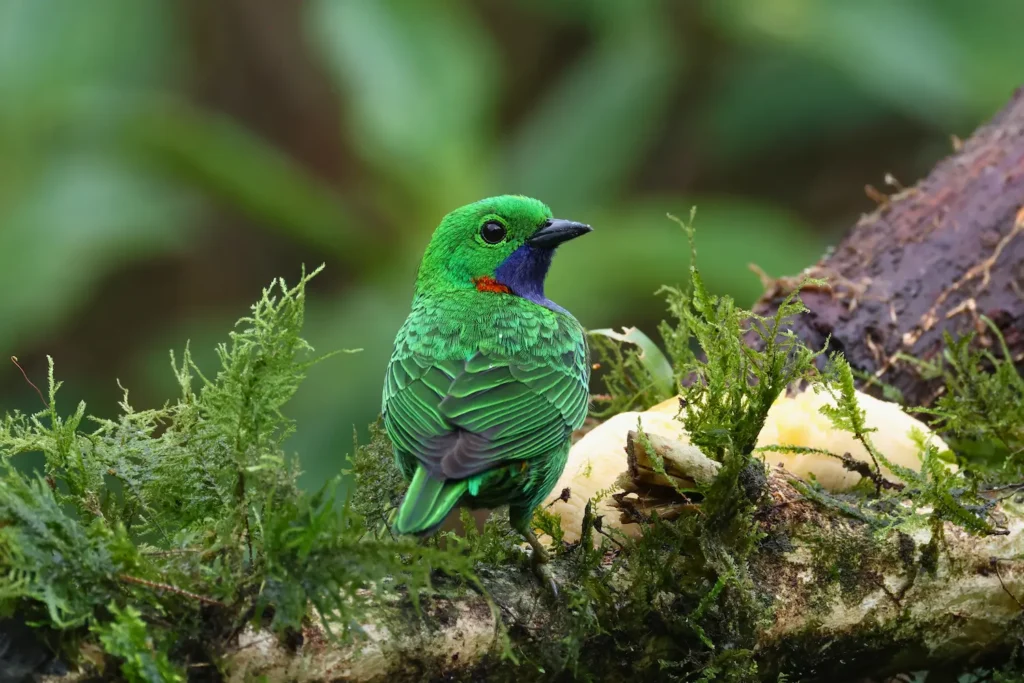
18-Day Peru Birding Odyssey: From the Amazon to the Andes & the Northern Endemics
Peru Birding Tour | Difficulty: Moderate
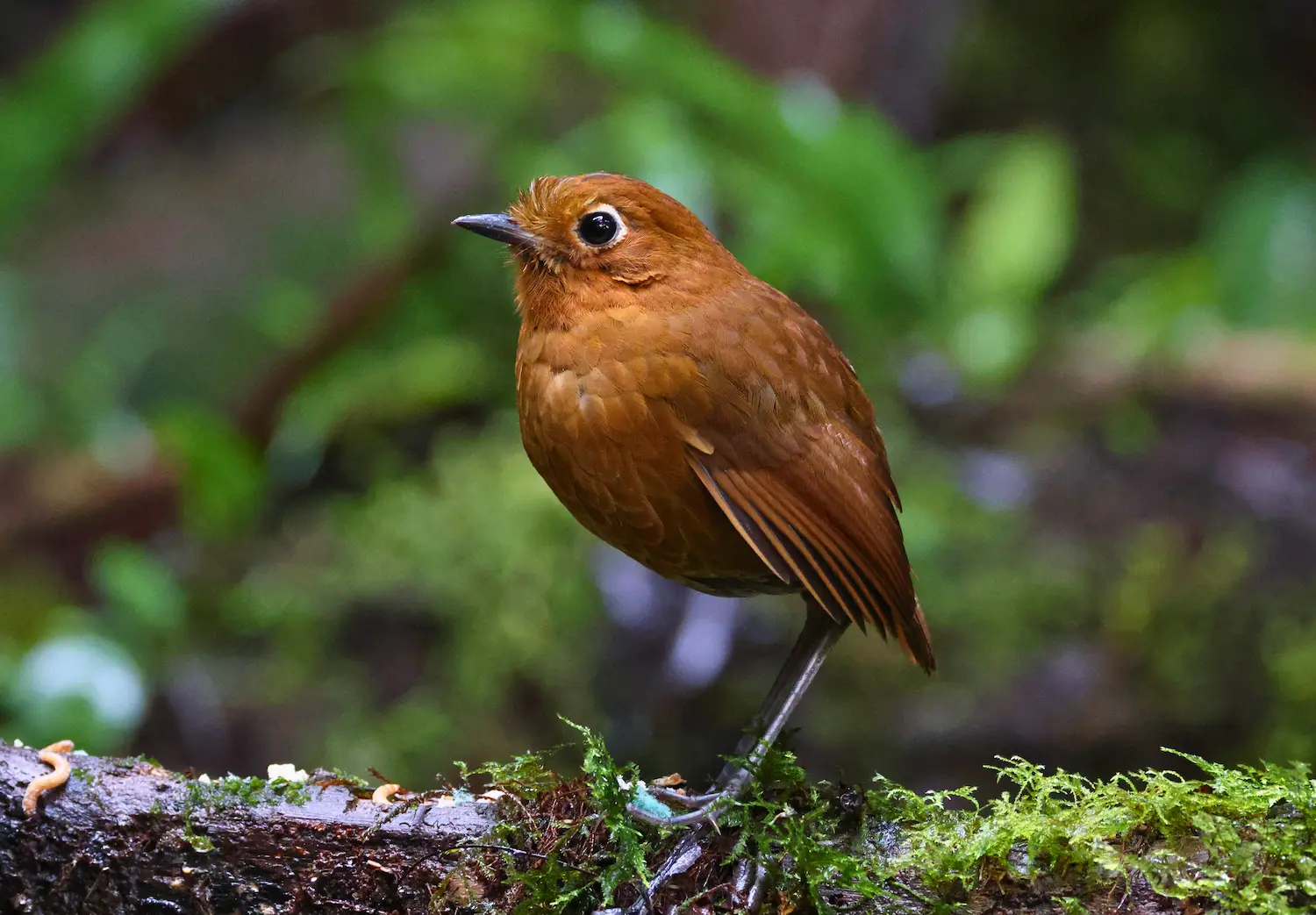
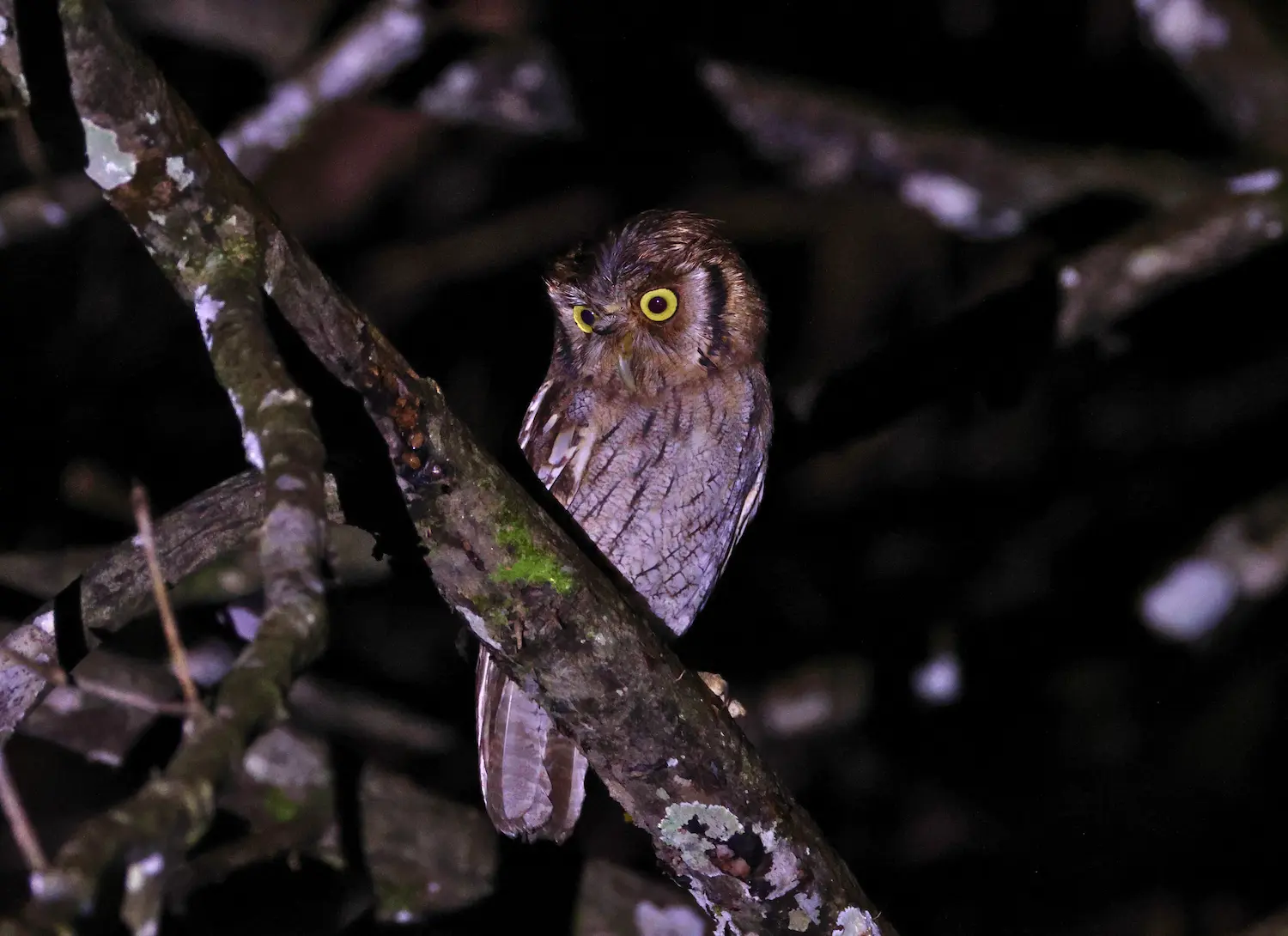
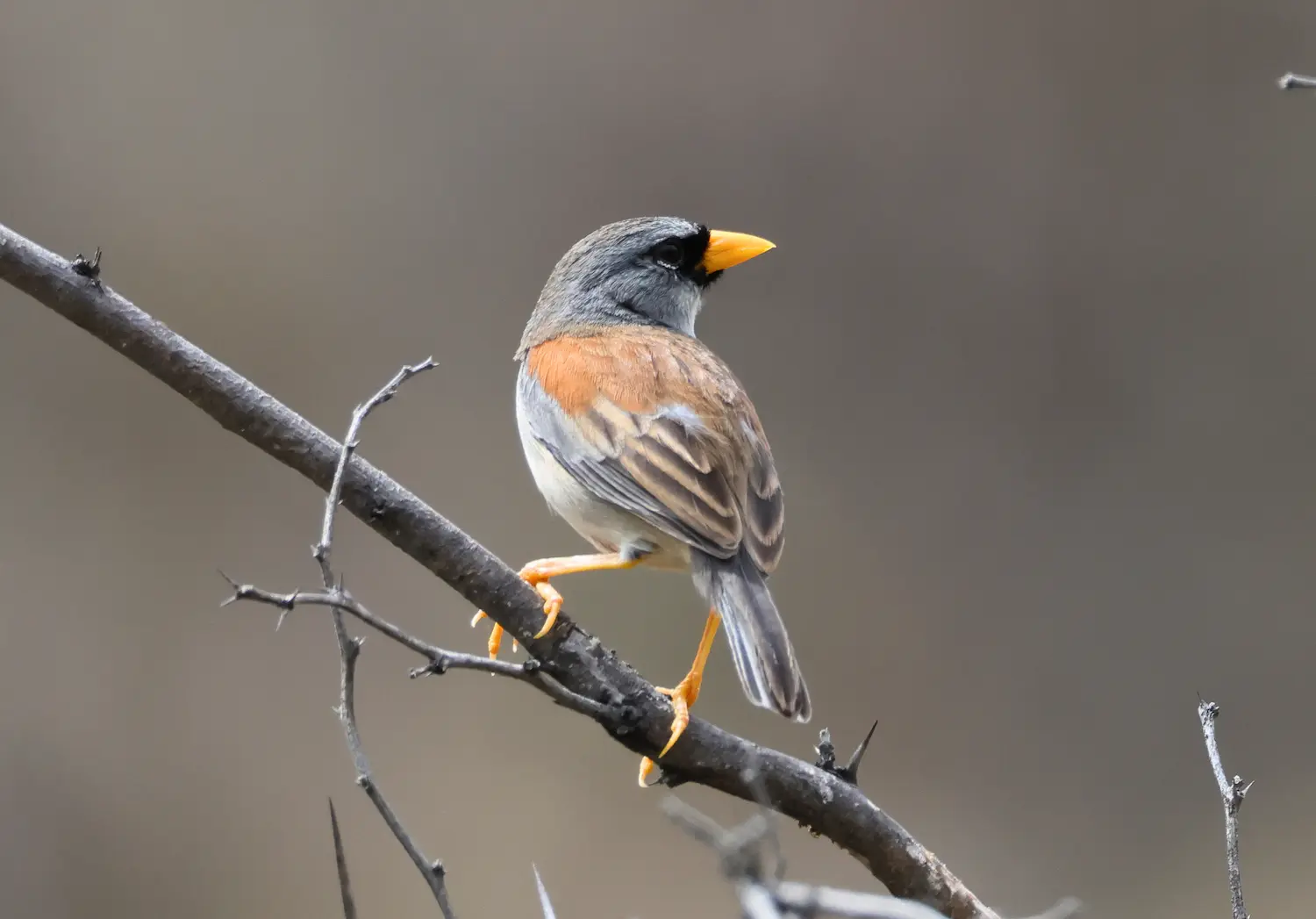
This comprehensive 18-day mega-circuit is designed exclusively for serious birders and wildlife photographers who want to experience the absolute pinnacle of Peru’s global biodiversity. By seamlessly connecting the legendary Manu Road cloud forest gradient, the pristine lowland Amazon of the Tambopata National Reserve, and the unique, endemic-heavy mountain passes of the Northern Circuit, you will cover the country’s most vital avian zones in a single, high-performance itinerary.
Expert Field Note: Peru holds the world record for the highest number of bird species recorded in a single day without aircraft assistance. This itinerary maximizes your field time by using strategic internal flight connections to bridge separate biological realms, bypassing days of unnecessary road travel.
- Duration & Pacing: 18 Days / 17 Nights (High-intensity birding & photography focus)
- Species Potential: 600 to 850+ species recorded dynamically across distinct elevation models
- Physical Difficulty: Moderate (Mix of flat forest trails, high-altitude mountain passes, and boat access)
- Key Habitats Covered: Amazon Lowlands, Elfin Forests, Subtropical Cloud Forests, High Andean Puna, Dry Valleys
- Group Size Limit: Maximum 6 participants per expert lead guide for clear lines of sight
Complete Expedition Itinerary
1.Phase 1: The Amazon Lowlands & Inca Heartland
Days 1–4 | Elevation: 250m to 3,400m.
We begin with deep immersion into the primary lowland Amazon of Tambopata National Reserve. At dawn, we board motorized canoes to witness the spectacular Chuncho Macaw Clay Lick, watching hundreds of large macaws gather on the riverbanks. We will explore the oxbow waters of Condenado Lake searching for nacaonda, the prehistoric Hoatzin (Opisthocomus hoazin) and family groups of Giant Otters.
On Day 5, we catch a domestic flight to transition directly to the high Andes, using the historic Sacred Valley to acclimate while photographing specialized high-altitude hummingbirds like the Bearded Mountaineer (Oreonympha nobilis). We conclude this phase scouting for the endemic Inca Wren (Pheugopedius euophrys) among the subtropical bamboo growing directly around the world-famous ruins of Machu Picchu.
2.Phase 2: The Legendary Manu Road Corridor
Days 8–13 | Elevation: 3,500m down to 500m.
We cross the high-altitude Andes at Abra de Acjanaco before descending down the world’s most famous birding transect: Manu Road. We base ourselves in the pristine cloud forest belt to experience the famous San Pedro Cock-of-the-rock Lek at dawn, watching dozens of brilliant male Andean Cock-of-the-rocks (Rupicola peruvianus) vocally display in a frenzy of neon orange.
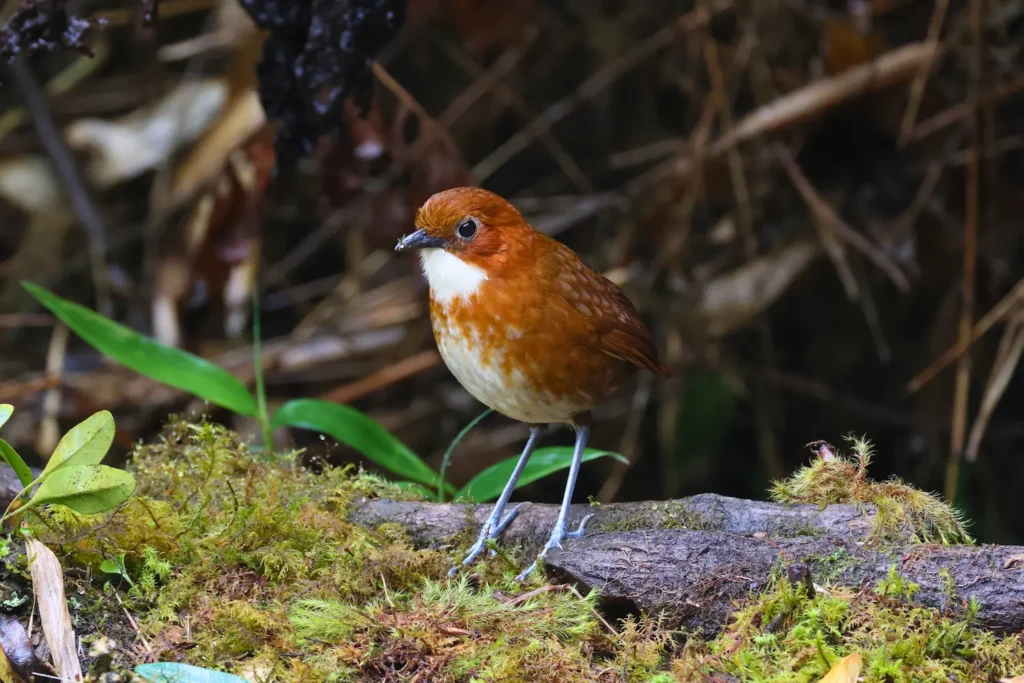
As we descend lower into the foothills toward the Manu Biosphere reserve, our focus shifts to fast-moving mixed-species feeding flocks, tracking dozens of colorful tanagers, toucanets, and notoriously elusive, micro-habitat restricted antpittas (Grallariidae).
3.Phase 3: The Northern Endemic Circuit
Days 14–18 | Elevation: 2,300m down to 1,200m.
We fly north via Tarapoto to access the absolute “Holy Grail” of Peruvian birding: Abra Patricia Protected Area. This unique, misty ecosystem holds incredibly restricted-range species. We will conduct specialized nocturnal searches for the enigmatic Long-whiskered Owlet (Xenoglaux loweryi) and bird the mossy cloud forests for the striking Royal Sunangel (Heliangelus regalis).
We conclude our odyssey in the dramatic Utcubamba Valley, visiting specialized community-run sanctuaries that protect the world’s most beautiful hummingbird: the Marvelous Spatuletail (Loddigesia mirabilis). Here, customized multi-tier feeder setups allow for guaranteed, close-up photography of adult males displaying their incredible racquet-tipped tail feathers.
Top Reasons to Choose This Tour
- Eliminate Planning & Logistical Friction: Trying to stitch together Tambopata, Manu, and Northern Peru on your own results in severe logistical gridlock. We handle all three internal flights, distinct regional boat transfers, and specialized lodge bookings seamlessly.
- 100% Locally Owned & Guided Authority: Our lead guides have over 15 years of active field experience across these exact routes. We do not contract our tours out to general agencies; you are guided by local guide experts who track bird territories, seasonal migrations, and fruiting trees year-round.
- Optimized Specifically for Wildlife Photography: We understand the technical lighting challenges of dense tropical cloud forests. Our group sizes are strictly capped at 6 birders, and our daily pacing prioritizes staying at key blinds and feeders until everyone gets clean, high-quality images.
Best Time to Visit
To get the most out of all three distinct geographical regions, we recommend scheduling this tour between May and October (the dry season). This window provides the most stable trail conditions in the cloud forests and the highest activity at the clay licks in the lowlands.
What’s Included?
- Full-time accompaniment by a senior Birding Peru Trips birding guide equipped with a high-end spotting scope and deep knowledge of regional vocalizations.
- All domestic flights within Peru (Lima – Cusco – Tarapoto).
- All private ground vehicles, dedicated drivers, and private motorized riverboats.
- All entrance fees to national parks, private reserves, and archaeological sites (including Machu Picchu).
Not Included
- First day breakfast and final day dinner.
- Personal field gear (binoculars, camera gear).
- Mandatory international travel and medical insurance.
- Discretionary gratuities for local lodge staff, drivers, and your private guide.
- Alcoholic beverages and laundry services.
Tour Pricing & Private Group Rates
To provide an elite tracking experience, maximize your spatial freedom at multi-flash feeder stations, and guarantee silent approaches on forest trails, this tour is run exclusively as a private departure.
Group Size and Price Per Person (USD)
- 4 Persons: USD 5280.00 per person
- 5 Persons: USD 5100.00 per person
- 6 Persons: USD 4830.00 per person
Single Supplement: $600 USD
Note: For groups larger than 6, please contact us directly for a custom quote and a dedicated co-guide to ensure the highest quality birding experience.
Frequently Asked Questions (FAQ)
1. How many species can I realistically expect to log on this 18-day circuit?
While weather variables always play a role, our groups consistently record between 600 and 850 species on this exact route. This represents roughly 35-40% of all bird species found in the entire country of Peru.
2. Is this itinerary appropriate for a spouse or partner who doesn’t bird?
Absolutely. While the daily pace is focused on birding, the inclusion of world-class highlights like the Amazon rainforest, the Sacred Valley, and an extensive tour of Machu Picchu makes it a phenomenal, bucket-list nature and cultural vacation for any outdoor enthusiast.
3. What photography gear is essential for the cloud forest segments?
We highly recommend a fast telephoto lens (minimum 400mm, though a 500mm or 600mm equivalent is ideal). Due to the dense canopy cover of places like Abra Patricia and Manu Road, lenses with wide maximum apertures (f/4 or f/5.6) along with high-ISO capable camera bodies perform best. A sturdy tripod or monopod is critical for stability on forested slopes.
4. Are single rooms available for solo travelers?
Yes. Our private tour rates are based on double occupancy. If you are traveling solo or prefer your own private room throughout the tour, you can opt for the Single Supplement of $600 USD.
Precision Packing List
- Optics: High-quality binoculars (8×42 or 10×42 are the industry standards for deep-forest visibility).
- Apparel: Muted earthy colors (greens, browns, tans). Avoid solid whites, bright yellows, or reds, which can easily flush cautious canopy species. Bring a high-quality waterproof jacket and broken-in, waterproof hiking boots.
- Field Gear: A compact headlamp with a red-light setting (essential for the Long-whiskered Owlet night trek), a dry bag for camera equipment during river transfers, and high-strength insect repellent.
Personal Items & Health
- Insect Repellent: High-strength repellent (DEET or Picaridin) for foothill regions and sandflies in dry valleys.
- Sun Protection: Reef-safe sunscreen and polarized sunglasses.
- Headlamp: A powerful headlamp with a red-light mode option for the nocturnal Long-whiskered Owlet quest (red light minimizes disturbance to the bird’s eyes).
- Dry Pack: A small, waterproof daypack to carry your personal items, water, and extra batteries during trail walks.
Related Tours
27-Day Peru Mega-Birding & Photography Expedition: North Endemics to Amazon & Andes