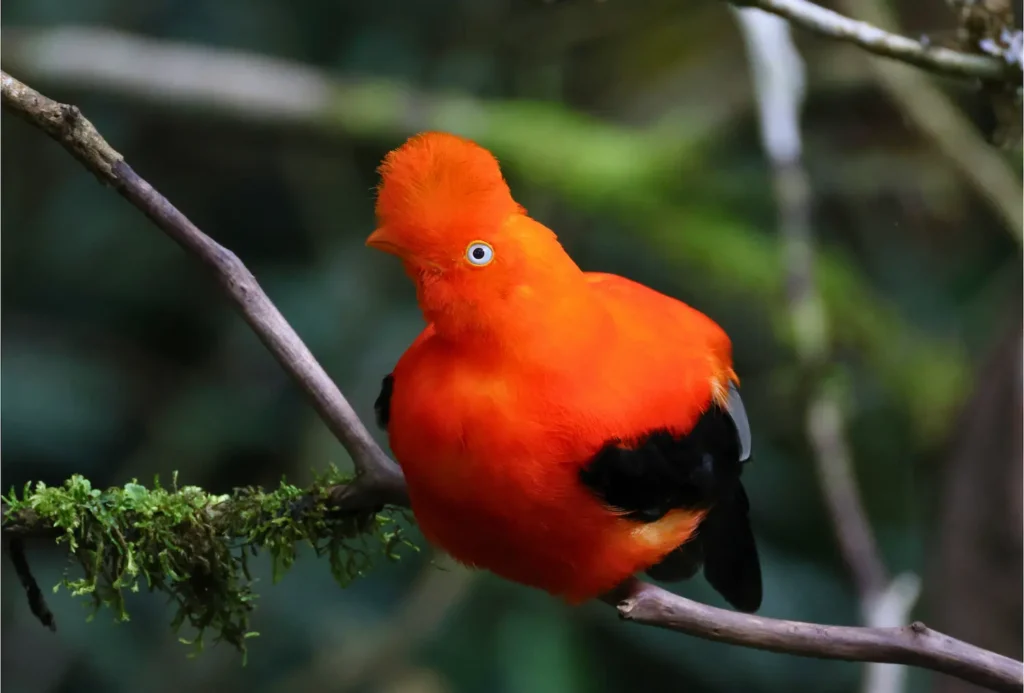
4-Day Vilcabamba & Abra Málaga Birding Expedition
Nature | Difficulty: Moderate

Endemic Birds of Peru & High-Andes Photography
Discover the ultimate Endemic Birds of Peru Tour on this exclusive 4-day Vilcabamba & Abra Málaga Birding Expedition. Designed for serious birdwatchers, dedicated wildlife and bird photographers, and cultural travelers, this high-impact journey explores the isolated cloud forests, ancient Polylepis stands, and high-altitude Puna grasslands of the Cusco region. We target some of the rarest Andean endemics, including the critically endangered Royal Cinclodes and the ultra-localized Vilcabamba Tapaculo. The legendary Vilcabamba range, the last stronghold of the Incas, offers a perfect blend of world-class birding and profound cultural history, with the option to add a Machu Picchu Extension. Our expert local guides and comfortable logistics ensure you focus entirely on the exceptional birds and breathtaking High-Andes photography opportunities.
Itinerary
Day 1: Abra Málaga Pass (4,330m): High-Andes Endemics & Mount Veronica Views
We depart Cusco early, heading for the eastern slope of the renowned Abra Málaga Pass. This day is dedicated to High-Andes Endemic Birding across a spectacular altitudinal gradient, from Puna Grasslands down through Elfin and Cloud Forest habitats. The pass, reaching 4,330 meters above sea level, offers unparalleled opportunities for both birding and wildlife photography. With a little luck, we will be treated to breathtaking, panoramic views of the snow-capped and glacier-ridden Mount Veronica. This is the prime location to encounter a suite of highly sought-after Andean endemics.
Overnight: Ipal Eco-Lodge
Target Endemic Birds:
- White-tufted Sunbeam (E)
- Marcapata Spinetail (E)
- Urubamba Antpitta (E)
- Red-and-white Antpitta (E)
- Parodi’s Hemispingus (E)
- Unstreaked Tit-Tyrant (E)
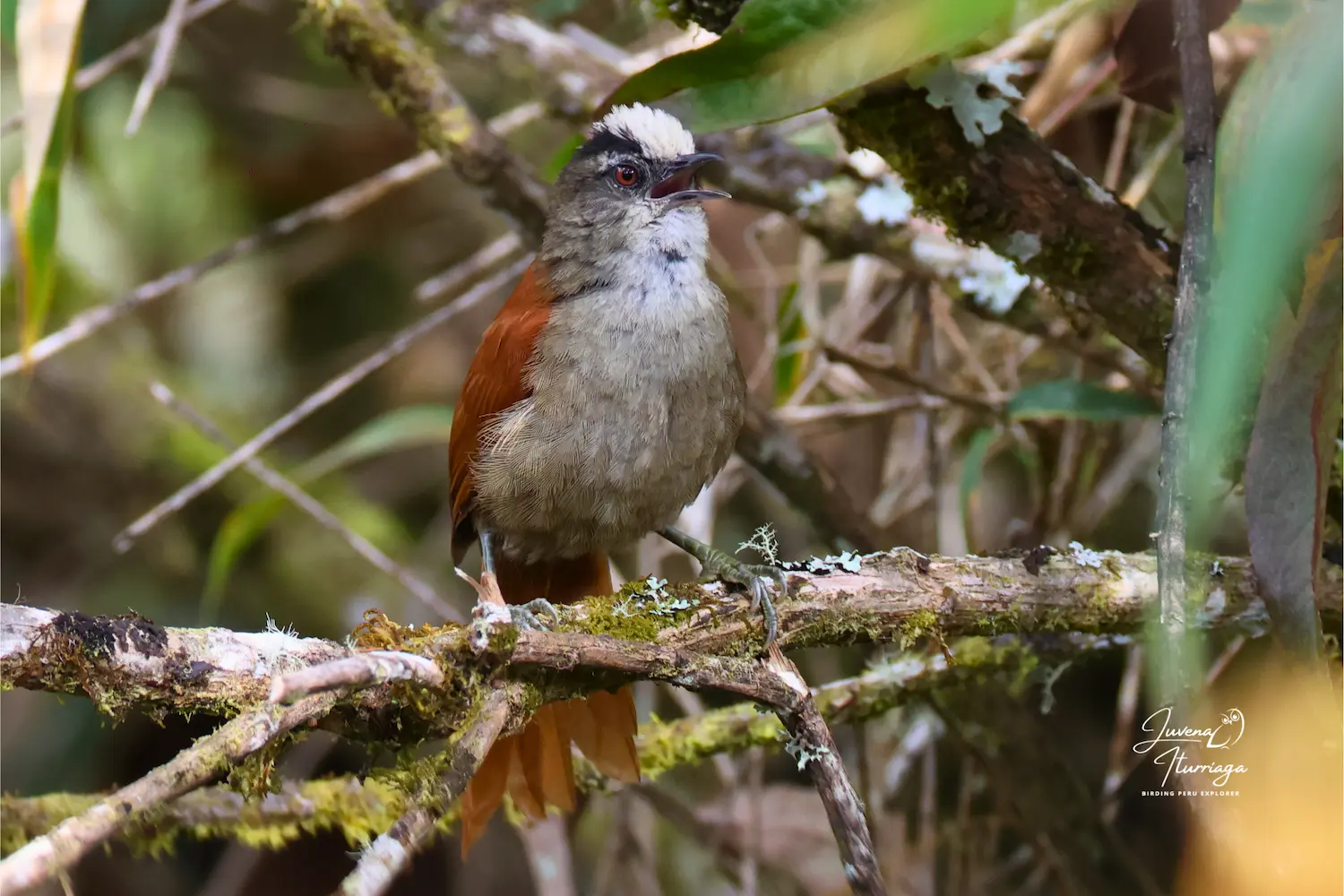
- Inca Wren (E)
- Cuzco Brushfinch (E)
- Creamy-crested Spinetail (E) and many more.
Day 2: Vilcabamba Mountains – Endemic Heartland & Tapaculo Quest
Today, we ascend into the Vilcabamba Mountains, one of Peru’s most isolated and biologically extraordinary mountain systems, historically known as the last stronghold of the Incas. This remote region is the heartland for several ultra-localized endemic species. Our focus will be on the dense cloud forests and forest-grassland ecotones, which are ideal for finding secretive species. The unique landscape also provides excellent opportunities for nature and bird photography.
Overnight: Basic lodging in the Vilcabamba Mountains
Primary Endemic Targets:
- Vilcabamba Tapaculo (E) (A key target for serious listers)
- Vilcabamba Thistletail (E)
- Vilcabamba Spinetail (E)
- Vilcabamba Inca (E)
- Apurímac Starfrontlet (E)
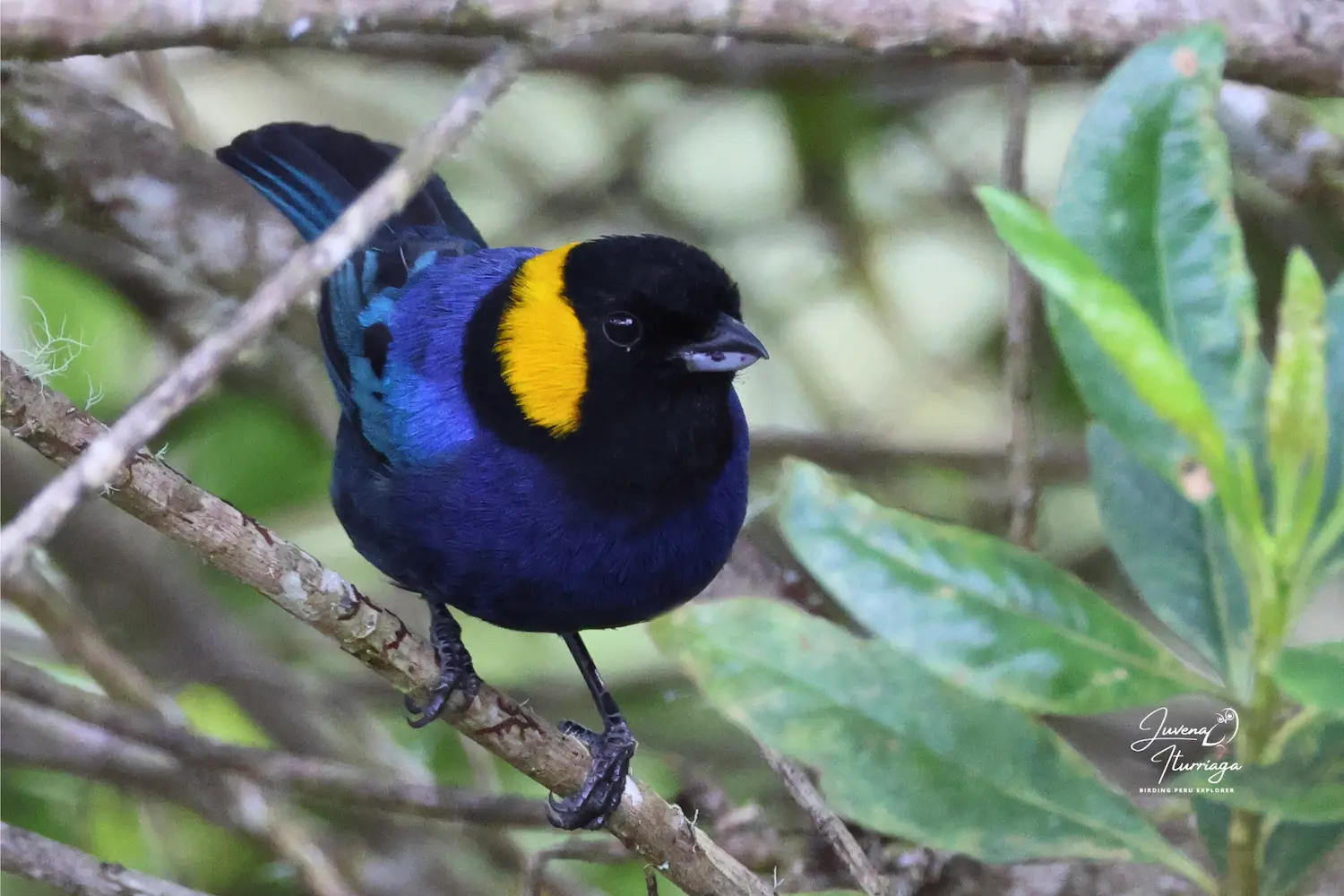
- Yellow-scarfed Tanager (E)
- Johnson’s Tody-Flycatcher (E)
Day 3: Royal Cinclodes Quest: Critically Endangered Species & Inca Archaeological Sites
Our primary mission today is the critically endangered Royal Cinclodes, one of the rarest High-Andean birds in the world. The unique puna grasslands and ancient Polylepis stand of Vilcabamba offer some of the best global chances to observe and photograph this species. The region’s glacial wetlands create unique microhabitats supporting highly specialized high-altitude species.
In the afternoon, we strengthen the cultural component of this Cusco Birding and Cultural Tour by exploring the nearby Inca archaeological sites. We will visit Vitcos-Rosaspata and the impressive white rock of Yuraq Rumi, connecting the region’s rich natural history with its profound human history.
Overnight: Ipal Eco-Lodge
Additional High-Elevation Targets:
- Gray-breasted Seedsnipe
- Blue-mantled Thornbill
- Glacier Finch
- Boulder Finch
- Andean Goose
Day 4: Strategic Birding Return to Cusco & Optional Machu Picchu Extension
We spend the morning birding strategically along the route back toward Cusco, focusing on any remaining endemic targets or missed photographic opportunities, such as the Gould’s Inca. This final leg allows for flexible birding stops in key micro-habitats.
Upon arrival in Cusco, we provide drop-off at your hotel or direct transfer to the airport if needed. For those wishing to combine their birding with a cultural highlight, this is the ideal point to begin your Machu Picchu Extension Tour.
Overnight: Cusco (not included).
What’s Included?
- Private transportation throughout the expedition
- Lodging in Vilcabamba & Ipal Eco-Lodge (double occupancy)
- Breakfast, lunch (picnic/box lunch), and dinner daily
- Unlimited water and field snacks
- Professional birding guide specializing in Andean endemics and micro-habitat knowledge
- Personalized bird checklist
- All entrance fees, including to the Vitcos-Rosaspata Inca sites
- All transfers within Cusco
- Fully private, fully inclusive tour experience
- First Aid kit
- Taxes on included services
Not Included
- First breakfast and final dinner
- Binocular rental (available upon request)
- Personal expenses and tips
- Travel insurance (highly recommended)
- International or domestic flights
- Optional Extension: Machu Picchu Cultural Tour (Highly recommended for cultural travelers)
Tour Pricing & Private Group Rates
At Birding Peru Trips, we offer 100% private birding tours in Peru, including the iconic Abra Malaga Birding experience. Perfect for birders, wildlife lovers, photographers, and nature enthusiasts, our tours are designed for flexibility, comfort, and the best possible sightings.
Group Size and Price Per Person (USD)
- 1 Person: USD 2200.00 per person
- 2 Persons: USD 1150.00 per person
- 3 Persons: USD 840.00 per person
- 4 Persons: USD 680.00 per person
- 5 Persons: USD 620.00 per person
- 6 Persons: USD 580.00 per person
Custom Groups (6+ Travelers)
Traveling in a larger group? We offer custom private birding tours in Peru with an additional guide to ensure the best experience.
Contact us today to plan your 4-Day Vilcabamba & Abra Málaga Birding tour in Peru and receive a personalized quote.
Essential Packing List
Preparing for a High-Andes Endemic Birding expedition requires specialized gear to ensure comfort and success across diverse habitats, from the high-altitude Puna grasslands to the humid Cloud Forests. This list is tailored for both the serious birder and the wildlife photographer.
- Binoculars: High-quality (8×42 or 10×42) waterproof binoculars are non-negotiable for spotting the secretive Vilcabamba Tapaculo and other Andean endemics. Essential for identification and close-up viewing.
- Spotting Scope: Highly recommended for viewing distant species in the Puna grasslands and for detailed observation of the Royal Cinclodes in the Polylepis stands. Crucial for serious listers and for digiscoping.
- Field Guide: A comprehensive field guide to the Birds of Peru (e.g., Schulenberg et al.). Essential for in-field reference and checklist tracking.
- Recording Device: A sound recorder (or smartphone app) is vital for locating Tapaculos and Antpittas, which are often heard before they are seen. Key tool for finding ultra-localized species.
- Camera Body & Lens: A fast telephoto lens (e.g., 100-400mm or 500mm prime) is ideal for capturing the Endemic Birds of Peru. Necessary for high-quality bird and wildlife shots.
- Tripod/Monopod: Essential for stability, especially for long lenses and for capturing the dramatic landscapes of Abra Málaga and Mount Veronica. Improves image sharpness in low light and for video.
- Rain Protection: Waterproof covers for your camera and lens, as the Cloud Forest habitat is often misty and wet.
- Extra Batteries/Storage: High-altitude conditions can drain batteries quickly. Bring double the storage and power you think you need. Ensures you don’t miss a shot of the Royal Cinclodes.
- Layered Clothing: The High-Andes climate is highly variable. Pack thermal base layers, fleece, and a windproof/waterproof outer shell. Crucial for adapting to temperatures ranging from near-freezing to mild.
- Footwear: Waterproof, broken-in hiking boots with good ankle support are required for uneven terrain in the Vilcabamba Mountains. Safety and comfort on mountain trails.
- Sun Protection: Sunscreen (SPF 30+), hat, and sunglasses. The UV index is extremely high at 4,000+ meters. Prevents sunburn and eye damage at high altitude.
- Daypack: A comfortable, waterproof daypack to carry water, snacks, optics, and extra layers. Essential for daily excursions.
Frequently Asked Questions (FAQ)
1. What is the altitude of the tour, and how can I prepare for High-Andes Endemic Birding?
The tour reaches a maximum altitude of 4,330 meters (14,206 ft) at the Abra Málaga Pass. We strongly recommend arriving in Cusco (3,400m / 11,152 ft) at least two days prior to the tour start date to allow for proper acclimatization. Our itinerary is paced to minimize altitude sickness, but consult your doctor about preventative medication.
2. What is the main target bird, and how likely am I to see the Royal Cinclodes?
The main target is the critically endangered Royal Cinclodes, along with other ultra-localized species like the Vilcabamba Tapaculo. While wildlife sightings can never be guaranteed, our expedition is specifically designed to visit the most reliable, known Polylepis stands with expert local guides who specialize in this species, maximizing your chances of a successful sighting.
3. Is this tour suitable for wildlife photographers?
Absolutely. This expedition is ideal for Peru Wildlife Photography Tour enthusiasts. We utilize private transportation, which allows for quick access to prime light and provides ample space for camera gear and tripods. The dramatic landscapes of the Vilcabamba Mountains and the unique, approachable nature of some high-altitude endemics offer unparalleled photographic opportunities.
4. Does this tour include Machu Picchu?
The 4-day Endemic Birds of Peru Tour focuses on the birding hotspots of Vilcabamba and Abra Málaga. However, it is perfectly structured to be followed by our optional Machu Picchu Extension Tour. This allows you to combine your world-class birding with a visit to the iconic Inca citadel, creating the ultimate Birding and Machu Picchu Tour. We also include a visit to the Vitcos-Rosaspata Inca sites on Day 3, strengthening the cultural component of your trip.
5. What is the best time of year for this Abra Málaga Birding Tour?
The best time for this Abra Málaga Birding Tour is generally during the dry season, from April to October, when the weather is more stable and access to the high-altitude sites is optimal. However, birding is excellent year-round, and our guides are prepared for all conditions.
6. What level of fitness is required for the Vilcabamba Birding Expedition?
A moderate level of fitness is required. While the birding is often done near the road or on gentle slopes, the high altitude means that even short walks can be challenging. The ability to walk slowly on uneven terrain for a few hours is necessary.
Related Tours