Birding in Northern Peru – Marvelous Spatuletail 10-Days
Northern Peru | Difficulty: Moderate

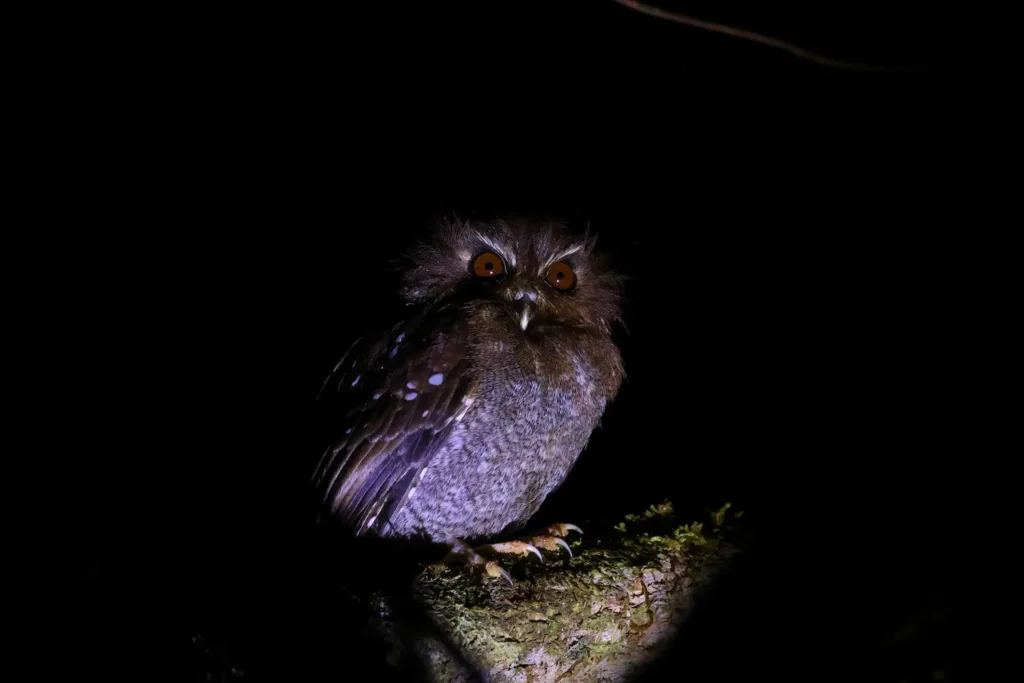
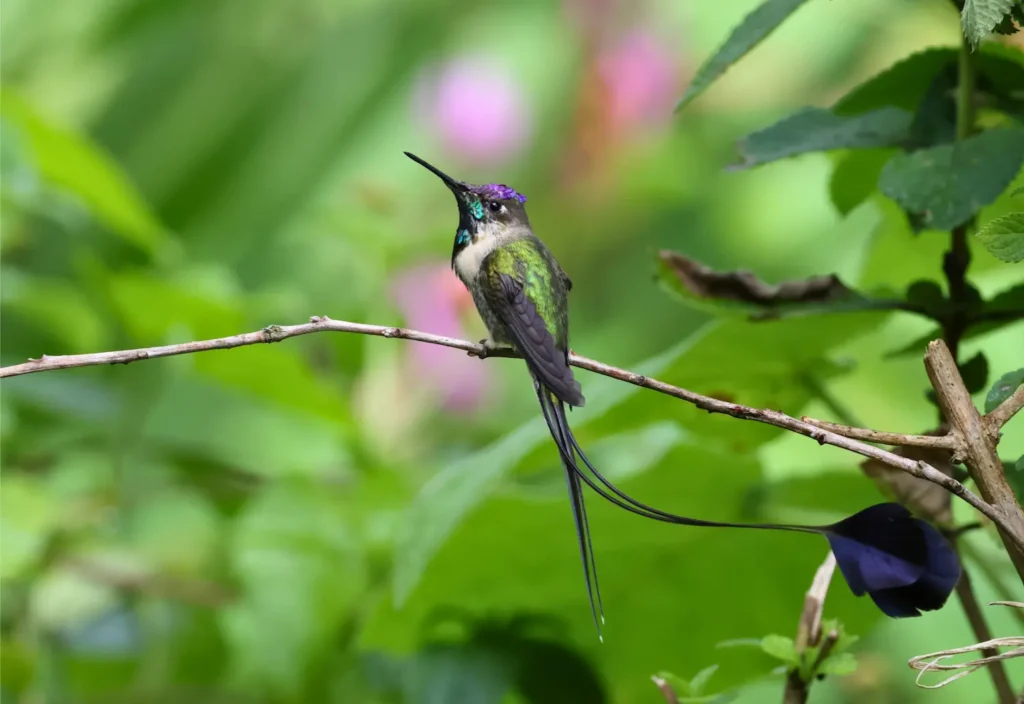
Embark on the definitive 10-day birding itinerary through Northern Peru’s megadiverse Marañón drainage, Alto Mayo cloud forests, and Amazonian foothills. Meticulously designed for serious birdwatchers, listing birders, and professional wildlife photographers, this expedition targets the region’s most coveted global avian prizes: the endangered Marvelous Spatuletail (Loddigesia mirabilis) and the enigmatic Long-whiskered Owlet (Xenoglaux loweryi).
Led by veteran, locally-owned Peruvian birding guides, you will traverse a precise elevational gradient from the lowland forests of Tarapoto up to the misty temperate zones of the Andes. This route prioritizes high-end multi-flash hummingbird setups, specialized antpitta feeding stations, and strategic night-birding sessions, ensuring an elite, conservation-driven field experience.
Tour Highlights:
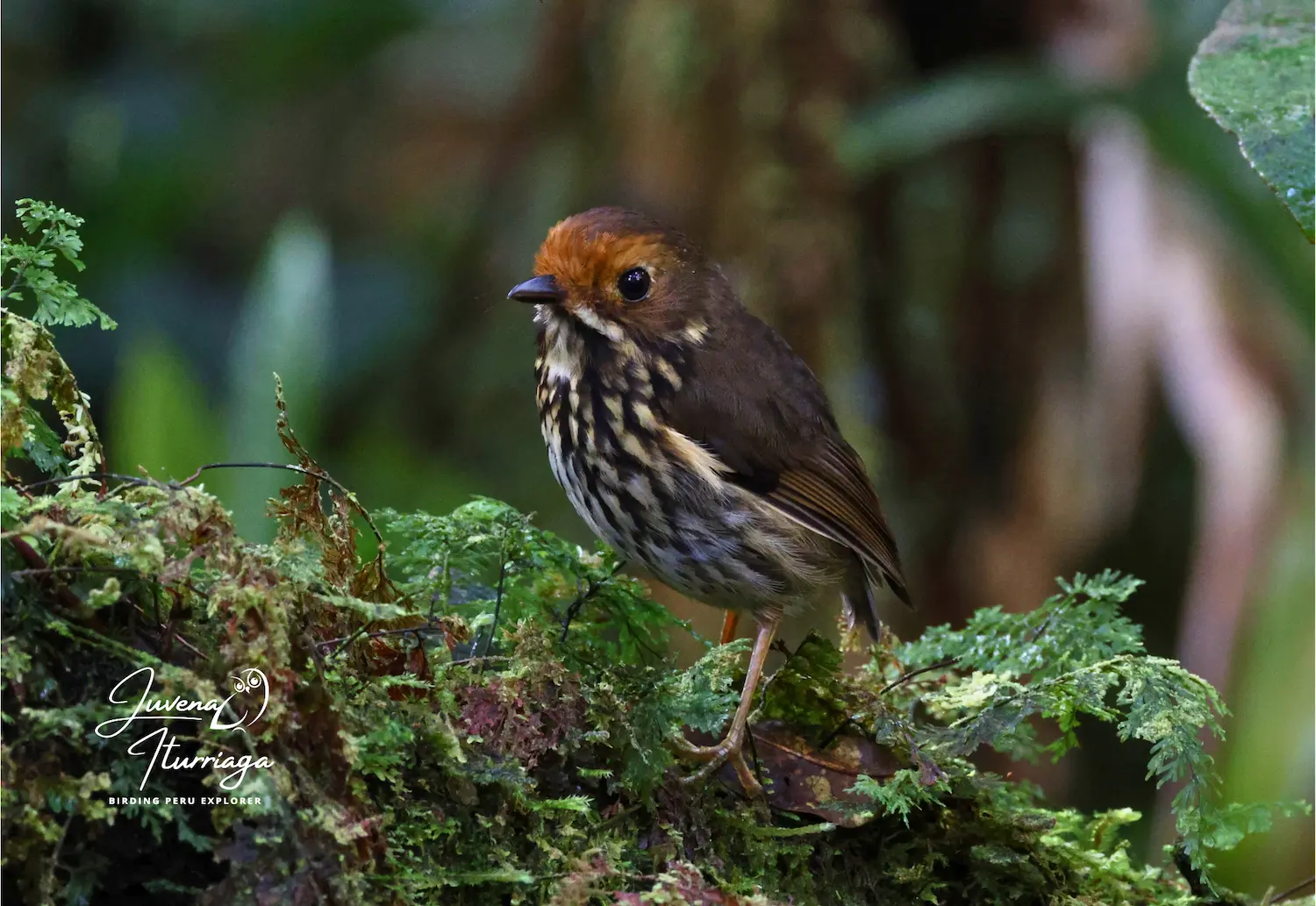
- Targeted Endemic Focus: Maximize your life list with localized Northern Peru specialties, including Koepcke’s Hermit, Ochre-fronted Antpitta, Lulu’s Tody-Flycatcher, and Royal Sunangel.
- The Spatuletail Masterclass: Spend dedicated, unhurried macro-photography sessions at the Huembo Conservation Center, the global stronghold for the Marvelous Spatuletail.
- Abra Patricia Cloud Forest Deep Dive: Stay deep within the Abra Patricia Private Reserve, utilizing an exclusive network of trails and feeding stations targeting elusive cloud forest interior species.
- Premium Photographic Access: Complete access to 5 specialized private conservation feeding stations (including Wakanki, Fundo Alto Nieva, and Arena Blanca) featuring customized hummingbird feeders and ground-feeding grates for investigative tinamous and wood-quails.
- 100% Local Expertise & Conservation: Run by an elite Peruvian team based locally. Your booking directly funds private reserve maintenance, community-led anti-poaching initiatives, and habitat restoration.
Itinerary
Day 1: Arrival in Tarapoto – Gateway to Northern Circuit
Upon arrival at Tarapoto’s Guillermo del Castillo Paredes Airport (TPP), your lead birding guide will transfer you to your hotel. We will hold an evening briefing detailing the specific elevational microclimates, target species checklists, and photographic protocols for the route ahead.
- Overnight: Tarapoto
Day 2: Cordillera Escalera & ACONABIKH – Foothill Specialties
We spend the morning birding the lush foothill forests of the Cordillera Escalera Regional Conservation Area. Our primary targets here are specialized low-elevation species. In the afternoon, we transfer to the ACONABIKH Private Conservation Area, a renowned sanctuary utilizing strategic understory drinking pools and feeders that offer unparalleled photography of highly localized hermits.
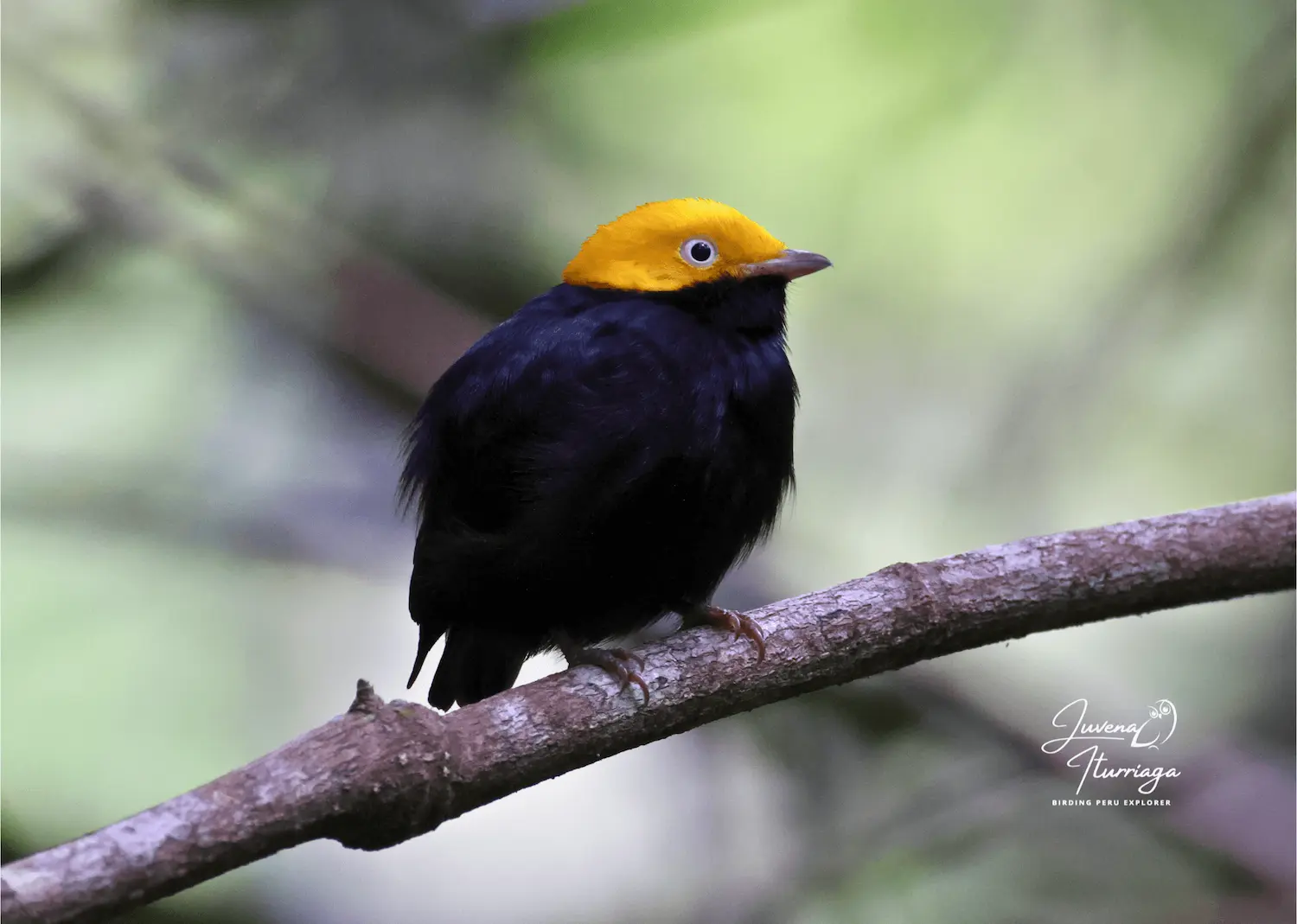
- Key Species: Koepcke’s Hermit (Phaethornis koepckeae), Gould’s Jewelfront, Golden-headed Manakin, Swallow-winged Puffbird, Mishana Tyrannulet, Fiery-capped Manakin.
- Photography Focus: Understory hummingbirds and manakin lek behavior.
- Overnight: Tarapoto
Day 3: Tarapoto to Moyobamba – The Oilbird Caves & Wakanki Feeders
Departing early, we ascend the Mayo valley toward Moyobamba. We make a dedicated tactical stop at a highly accessible, protected cave system to observe and photograph the bizarre, nocturnal Oilbird. We continue to the famous Wakanki Birding Lodge, arriving in time for an intensive afternoon session at the hummingbird feeders, which act as a magnet for rare, aggressive foothill hummers. At dusk, we trail-scout for nocturnal raptors.
- Key Species: Oilbird (Steatornis caripensis), Rufous-crested Coquette (Lophornis delattrei), Black-throated Mango, Amethyst Woodstar, Band-bellied Owl.
- Photography Focus: High-speed multi-flash coquette photography; low-light nocturnal flash work.
- Overnight: Moyobamba
Day 4: Morro de Calzada & Rioja Wetlands – Savanna & Understory Skulkers
An early morning excursion to Morro de Calzada, an isolated quartzitic mountain rising out of the Mayo valley. This unique geological formation hosts a specialized white-sand forest ecosystem. We will focus heavily on fruiting trees and thick undergrowth. In the afternoon, we explore the nearby Rioja wetlands, looking for marsh specialists and keeping watch for localized mammals like the San Martin Titi Monkey (Plecturocebus oenanthe).
- Key Species: Rufous-sided Crake, Painted Manakin, Golden-collared Toucanet, Burnished-buff Tanager, Black-bellied Tanager, Zimmer’s Antbird.
- Photography Focus: Wetland generalists and open-canopy tanager flocks.
- Overnight: Moyobamba
Day 5: Wakanki to Abra Patricia Reserve – The High-Altitude Transition
After a final dawn sweep of the Wakanki canopy tower, we begin our journey into the high Andes via the Alto Mayo Protection Forest. As the air cools, the ecosystem shifts dramatically into pristine montane cloud forest. We arrive at the legendary Abra Patricia Reserve and immediately begin working the lodge trail networks, targeting mixed-species feeding flocks moving through the bamboo moss-laden canopies.
- Key Species: Yellow-scarfed Tanager (Iridosornis reinhardti), Lulu’s Tody-Flycatcher, Long-tailed Sylph, Greenish Puffleg, Royal Sunangel.
- Photography Focus: Canopy tanagers and long-tailed hummingbird species in flight.
- Overnight: Owlet Lodge, Abra Patricia
Days 6: Abra Patricia & Fundo Alto Nieva – The Long-Whiskered Owlet Quest
Today is a high-priority tactical day. We split our time between Abra Patricia and Fundo Alto Nieva, a nearby private reserve optimized for cloud forest interior specialists. Here, local conservationists have habituated some of the most secretive ground-dwelling birds in South America. After an early dinner, we gear up for a dedicated night trek into the elfin forest, targeting the critically endangered, near-mythical Long-whiskered Owlet.
- Key Species: Long-whiskered Owlet (Xenoglaux loweryi), Ochre-fronted Antpitta (Grallaricula ochraceifrons), Rusty-tinged Antpitta, Cinnamon-screeched Owl.
- Photography Focus: Macro-lens application for macro-orchids, macro-nocturnal species, and habituated Antpittas.
- Overnight: Owlet Lodge, Abra Patricia
Day 7: Abra Patricia Trails to the Utcubamba Valley & Gocta
We spend a productive morning working the trail systems of Abra Patricia, targeting structural cotingas and specialized mixed flocks. Mid-day, we begin our descent into the dramatic Utcubamba River Valley, cutting through arid inter-Andean valleys before arriving at the stunning village of Cocachimba, positioned directly opposite Gocta Falls—one of the tallest waterfalls on earth.
- Key Species: White-capped Tanager, Green-and-black Fruiteater, Chestnut-crested Cotinga, Golden-naped Tanager, Flame-faced Tanager, Bronzy Inca.
- Photography Focus: Mid-elevation cloud forest specialties against scenic Andean backdrops.
- Overnight: Gocta Lodge, Cocachimba
Day 8: Huembo Conservation Center – Marvelous Spatuletail Extravaganza
Today is entirely dedicated to the undisputed pinnacle of Northern Peruvian birding. We drive to the Huembo Conservation Center, a community-run reserve protecting vital habitat for the Marvelous Spatuletail. We spend the morning at the specialized photography stations where males put on breathtaking territorial displays, flashing their giant racquet-like tail feathers. In the afternoon, we bird the dry scrub of the Utcubamba basin for Marañón basin endemics.
- Key Species: Marvelous Spatuletail (Loddigesia mirabilis), Little Woodstar, Marañón Thrush, White-bellied Woodstar, Purple-throated Sunangel.
- Photography Focus: Extended, high-shutter-speed photography of displaying male Spatuletails.
- Overnight: Gocta Lodge, Cocachimba
Day 9: Arena Blanca Reserve – Tinamous, Wood-Quails, and Thorntails
We depart the Gocta area and head toward the spectacular Arena Blanca Reserve, a specialized site legendary among wildlife photographers. The local family running this reserve has meticulously designed a series of ground blinds that allow close-up views of highly cryptic, ground-dwelling forest species that are nearly impossible to see elsewhere, alongside a bustling hummingbird garden.
- Key Species: Rufous-breasted Wood Quail (Odontophorus speciosus), Cinereous Tinamou, Little Tinamou, Wire-crested Thorntail, Golden-tailed Sapphire.
- Photography Focus: Blind photography of sensitive, ground-dwelling gamebirds and macro-hummingbirds.
- Overnight: Moyobamba / Selected Route Lodge
Day 10: Arena Blanca Dawn Session to Tarapoto Departure
We utilize the absolute best dawn light for a final high-productivity photography session at the Arena Blanca blinds. After a hearty field breakfast, we enjoy a comfortable, scenic transfer back down the Andes to Tarapoto’s Guillermo del Castillo Paredes Airport (TPP) for your domestic flight connection to Lima and onward international departures.
What’s Included:
- Expert Local Guide: 10 days of service from a professional, bilingual, veteran Peruvian birding guide equipped with a high-end spotting scope and deep knowledge of regional vocalizations.
- Private Transportation: All airport transfers and ground transport in a spacious, air-conditioned private vehicle optimized for remote Andean routes.
- Premium Birding Lodging: 9 nights in the region’s best eco-lodges and hotels, including Owlet Lodge and Gocta Lodge (Double occupancy).
- All Meals: Full breakfast, lunch (including high-quality field lunches), and dinner daily, featuring fresh regional Peruvian cuisine.
- All Entry Fees: Complete permits and admissions for all national protections, private reserves, and community feeding stations (Huembo, Abra Patricia, Wakanki, Arena Blanca, ACONABIKH).
What’s Not Included:
- International flights to/from Lima (LIM).
- Domestic flights within Peru (Lima to Tarapoto round-trip).
- Travel and medical insurance (mandatory for remote tracking).
- Alcoholic beverages, laundry service, and discretionary tips for local staff and guides.
Tour Pricing & Private Group Rates
Our tours are 100% Private. This ensures you have the guide’s undivided attention, the best positioning at the lek, and the flexibility to stop for photography whenever you choose.
Group Size and Price Per Person (USD)
4 Persons: USD 3410.00 per person
5 Persons: USD 3280.00 per person
6 Persons: USD 2999 per person
Note: For groups larger than 6, please contact us directly for a custom quote and a dedicated co-guide to ensure the highest quality birding experience.
Essential Packing List for Your Northern Peru Birding
- Optics: 8×42 or 10×42 binoculars. A spotting scope is highly recommended if traveling independently, though your lead guide will provide a professional-grade scope for group use.
- Camera Gear: A mirrorless or DSLR body paired with a 100-400mm, 200-600mm, or equivalent prime telephoto lens. Bring plenty of spare batteries (cold cloud forest nights deplete batteries rapidly) and high-capacity memory cards.
- Rain Protection: Professional-grade rain covers for your camera backpack and telephoto lenses, along with lightweight, breathable rain jackets and pants for yourself.
- Footwear: Broken-in, waterproof hiking boots with deep traction, plus a lightweight pair of shoes for downtime at the lodges.
- Field Clothing: Lightweight, quick-dry layers in earth tones or neutral green/brown colors. Bright colors should be strictly avoided in the field.
- Illumination: A reliable headlamp (minimum 300 lumens) featuring a red-light mode to minimize disturbance to nocturnal birds like the Long-whiskered Owlet.
Frequently Asked Questions (FAQ)
1. When is the best time to book this Northern Peru birding tour?
While Northern Peru offers incredible birding year-round, the prime window runs from May to October. This dry season window provides optimal trail conditions, minimal rain delays during night birding sessions, and higher activity at the hummingbird feeding stations.
2. What is the physical difficulty level of this itinerary?
This tour is rated Easy to Moderate. Most birding is done from roadsides, flat lodge trail networks, and stationary photography blinds. The most physically demanding element is the optional night trek for the Long-whiskered Owlet, which involves hiking on slick, uneven forest trails at night. The maximum elevation reached is around 2,450 masl (8,000 ft), minimizing altitude sickness concerns.
3. How many bird species can we expect to record?
A standard 10-day running of this specific route yields between 350 and 450 recorded bird species, depending on seasonal weather variables. This includes an incredibly dense concentration of Peruvian endemics and Tumbesian/Marañón specialties.
4. Is this itinerary fully optimized for serious bird photography?
Yes. This itinerary is specifically designed around the needs of photographers. We allocate extended time blocks at dedicated feeding stations (Huembo, Arena Blanca, Wakanki) rather than rushing through trails, ensuring you get clean, well-lit, close-up shots of target species. Flash policies follow strict ethical reserve guidelines to ensure avian safety.
5. Can non-birders or general nature enthusiasts join this tour?
Yes, certainly! While focused on birds, this expedition offers a rich and immersive nature experience. Non-birders will thoroughly enjoy the spectacular landscapes, vibrant flora (including orchids), diverse butterflies, and opportunities to spot mammals and other wildlife along the route. It’s a comprehensive nature tour that caters to all who appreciate biodiversity.
Related Tours