Manu Cloud Forest Birding & Wildlife 2 Days
Amazon Rainforest | Difficulty: Moderate


The Ultimate East Slope Birding Quick-Strike
Maximize your Peruvian bird list without the long-haul commitment. The Manu Cloud Forest is world-renowned as one of the most biodiverse “hotspots” on the planet, and this 2-day expedition is designed to get you straight to the action. Leaving the high Andes of Cusco behind, we descend into the lush, moss-draped elfin forests of the Amazon’s east slope. Whether you are a dedicated birder chasing endemics or a wildlife photographer seeking the perfect lek performance, this tour offers unparalleled access to Peru’s most iconic species. Join our expert guides for a focused, high-impact journey into the heart of the mist.
Itinerary
Day 1: Cusco to Wayqecha Biological Station | High-Altitude Endemics
We depart Cusco at dawn, crossing the Andean cordillera to reach the gateway of Manu National Park. Our first day is spent exploring the elfin forest and temperate cloud forest surrounding Wayqecha Biological Station, a premier research site for high-elevation specialists.
The Experience: We bird along the scenic road and station trails, focusing on mixed-species flocks that move through the canopy at 2,900m.
Target Species:
- Gray-breasted Mountain-Toucan (Andigena hypoglauca) (vibrant and highly sought-after).
- Marcapata Spinetail (Cranioleuca marcapatae) (a prized Peruvian endemic).
- Golden-collared Tanager (Iridosornis jelskii)
- Hooded Mountain-Tanager (Buthraupis montana)
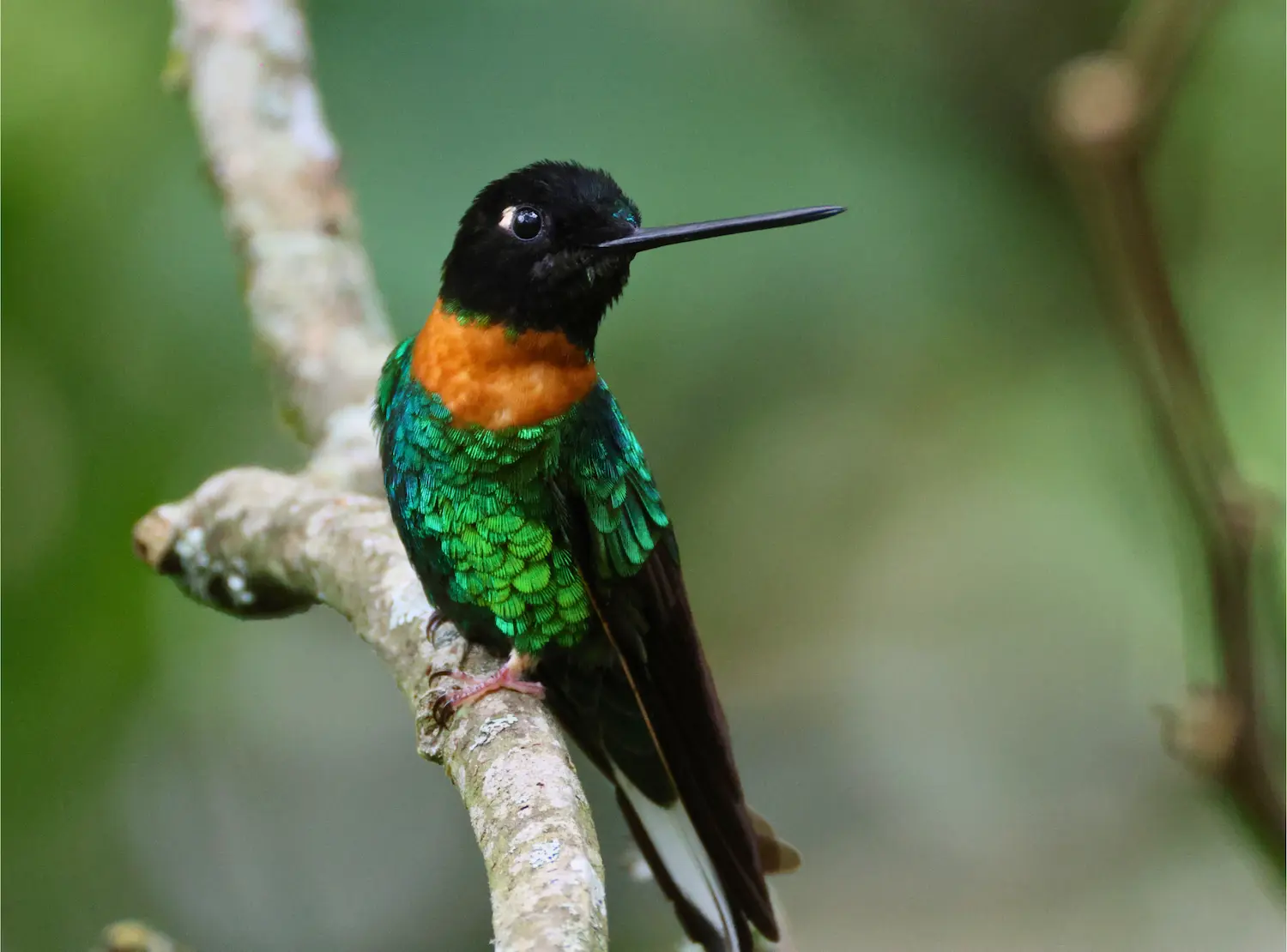
- Sword-billed Hummingbird (Ensifera ensifera)
- Shining Sunbeam (Aglaeactis cupripennis)
Overnight: Wayqecha Biological Station (Eco-lodging with incredible views).
Day 2: The Cock-of-the-Rock Lek & Return to Cusco
The day begins before sunrise to witness the most spectacular avian display in the Andes. We descend further into the cloud forest to a private “lek”—the communal stage of the Andean Cock-of-the-Rock.
The Morning Highlight: Watch dozens of bright scarlet males display, dance, and call in the morning mist—a dream for wildlife photographers.
The Return Journey: After the lek, we bird our way back up the mountain, stopping at different altitudinal zones to pick up species we may have missed.
Target Species:
- Andean Cock-of-the-Rock (Rupicola peruvianus) (Guaranteed viewing at the lek).
- Golden-headed Quetzal (Pharomachrus auriceps)
- Blue-banded Toucanet (Aulacorhynchus coeruleicinctis)
- Versicolored Barbet (Eubucco versicolor)
Arrival: We return to Cusco in the late afternoon, perfectly timed for your evening plans or next-day travel to the Sacred Valley or Machu Picchu
What’s Included?
- Expert Birding Guide: A professional, English-speaking specialist guide equipped with a high-end spotting scope and field guides.
- Private Transportation: Comfortable, climate-controlled transport from your hotel in Cusco to the Manu Cloud Forest and back.
- Accommodations: 1 night at the Wayqecha Biological Station (based on double occupancy).
- All Meals: 1 Breakfast, 2 Lunches, and 1 Dinner (featuring fresh, local ingredients).
- Entry Fees: All entrance fees to Manu National Park and private reserves, including the Andean Cock-of-the-Rock lek.
- Water & Snacks: Drinking water refills and healthy snacks to keep you energized during field sessions.
- Safety Gear: First aid kit and emergency oxygen (as we cross high-altitude passes).
Not Included
- Flights: Domestic or international airfare to/from Cusco.
- Accommodation in Cusco: Your hotel stay before or after the 2-day tour.
- Alcoholic Beverages: Soft drinks or alcoholic drinks at the lodge.
- Travel Insurance: We highly recommend a policy that covers medical and trip cancellation.
- Personal Gear: Binoculars, cameras, and specialized clothing (see our packing list!).
- Tips/Gratuities: For your guide and driver (entirely at your discretion, but greatly appreciated).
Tour Pricing & Private Group Rates
At Birding Peru Trips, we offer 100% private birding tours in Peru, including the iconic Manu Road birding experience. Perfect for birders, wildlife lovers, photographers, and nature enthusiasts, our tours are designed for flexibility, comfort, and the best possible sightings.
Enjoy:
- Expert birding guides in Peru
- Access to top birding hotspots and leks
- A flexible pace for birdwatching, wildlife, and photography
Group Size and Price Per Person (USD)
- 1 Person: USD 1050.00 per person
- 2 Persons: USD 620.00 per person
- 3 Persons: USD 560.00 per person
- 4 Persons: USD 450.00 per person
- 5 Persons: USD 430.00 per person
- 6 Persons: USD 410.00 per person
Custom Groups (6+ Travelers)
Traveling in a larger group? We offer custom private birding tours in Peru with an additional guide to ensure the best experience.
👉Contact us today to plan your Manu Cloud Forest Birding tour in Peru and receive a personalized quote.
The Ultimate Manu Cloud Forest Packing List
1. Essential Birding Gear
- Binoculars (8×42 recommended): The gold standard for the cloud forest. Ensure they are nitrogen-purged (waterproof/fog-proof) to handle the internal condensation.
- Lens Cleaning Kit: High humidity and mist will cloud your lenses constantly. Bring a rocket blower, microfiber cloths, and anti-fog wipes.
- Laser Pointer (Optional): Helpful for your guide to point out birds in the dense canopy without disturbing them.
2. Photography Protection (Critical)
- Weather-Sealed Covers: A dedicated rain sleeve for your camera and telephoto lens. Even a heavy-duty plastic bag with a rubber band is better than nothing.
- Dry Bag: A small 10L–20L dry bag to drop your entire camera bag into during sudden downpours.
3. Clothing for the “East Slope”
- The Layering System: Wayqecha sits at 2,900m (9,500ft) and gets very cold at night (sometimes 5°C / 41°F), while the lek area lower down is humid and warm.
- Base: Moisture-wicking long-sleeve shirts (avoid cotton!).
- Mid: A warm fleece or light down jacket for early mornings at Wayqecha.
- Outer: A high-quality GORE-TEX or similar breathable rain jacket.
- Quick-Dry Trousers: Lightweight trekking pants in dark/earth tones (green, brown, or grey) to blend into the forest.
- Footwear: Waterproof hiking boots with good grip for slippery trails. Rubber boots are often provided at lodges, but your own broken-in boots are better for long walks.
4. Field Comforts
- Headlamp: Essential for “owling” sessions and navigating the lodge at night when power is limited.
- Insect Repellent: While fewer mosquitoes live in the high cloud forest, “sandflies” (midges) can be present at lower elevations near the lek. Use a repellent with 30-50% DEET.
- Small Umbrella: Surprisingly useful for birders! It allows you to keep your binoculars dry while looking up, which a hood cannot do.
5. Health & Documents
- Altitude Prep: Since you’ll be at nearly 3,000m, stay hydrated. Coca tea is provided at the lodge.
- Cash (Soles): Bring small bills for tips or snacks at the local stops on the way back to Cusco.
Frequently Asked Questions (FAQ)
1. Is this tour suitable for serious bird photographers?
Absolutely. We understand the patience required for wildlife photography. Our guides are experts at positioning you for the best light and angles, particularly at the Cock-of-the-Rock lek. Because this is a private or small-group tour, we move at a pace that allows you to get “the shot” rather than rushing to the next stop.
2. What is the best time of year to see the Andean Cock-of-the-Rock?
While they are present year-round, the “lek” (display ground) is most active during the dry and shoulder seasons (May through November). During these months, the males are highly motivated to perform, offering the most dramatic viewing and photography opportunities.
3. How much hiking/walking is involved?
The physical demand is low to moderate. Most of our birding is done along the quiet forest roads and well-maintained trails near the Wayqecha Station. We can adjust the walking distance based on your fitness level, but you should be comfortable standing for long periods and walking on uneven, occasionally misty terrain.
4. What should I pack for the Manu Cloud Forest?
The cloud forest is famous for its “horizontal rain” (mist). We highly recommend:
- High-quality binoculars (8×42 is ideal).
- A waterproof rain jacket and a rain cover for your camera gear.
- Layers! It can be chilly at Wayqecha (high altitude) but warm during the descent.
- Dull-colored or camouflage clothing to avoid startling the birds.
5. Can I combine this with a Sacred Valley or Machu Picchu tour?
Yes! This 2D/1N trip is specifically designed as a “Nature Extension.” We recommend doing this tour either immediately before or after your Machu Picchu visit. We can coordinate pick-up or drop-off at your hotel in the Sacred Valley or Cusco.
6. Will I have electricity and internet at Wayqecha Biological Station?
Wayqecha is a remote research station. While there is electricity (standard Peruvian 220v) for charging batteries in the evenings, it is often powered by solar or generators and may be limited. Wi-Fi is available but can be intermittent due to the mountain terrain—it’s the perfect place to unplug and focus on nature.
7. Are meals included?
Yes. We provide all meals from lunch on Day 1 to lunch on Day 2. We specialize in providing fresh, local Andean ingredients and can accommodate vegetarian, vegan, or gluten-free diets with advance notice.
Related Tours