10-Day Birding Tour: From the Andes to the Amazon
Manu | Difficulty: Moderate


Traverse an 11,000-foot vertical drop from high Andean wetlands to deep lowland rainforest. Target over 400 avian species, localized endemics, and iconic Amazonian megafauna with Peru’s leading birding guides.
- Duration: 10 Days / 9 Nights
- Route: Cusco Manu Road Madre de Dios River Puerto Maldonado
- Physical Rating: Moderate (Trail walks, early starts, boat transfers)
- Group Size: Small Group (Max 6 participants for optimal viewing)
- Key Habitats: High Puna, Elfin Forest, Cloud Forest, Foothill Bamboo, Lowland Terra Firme
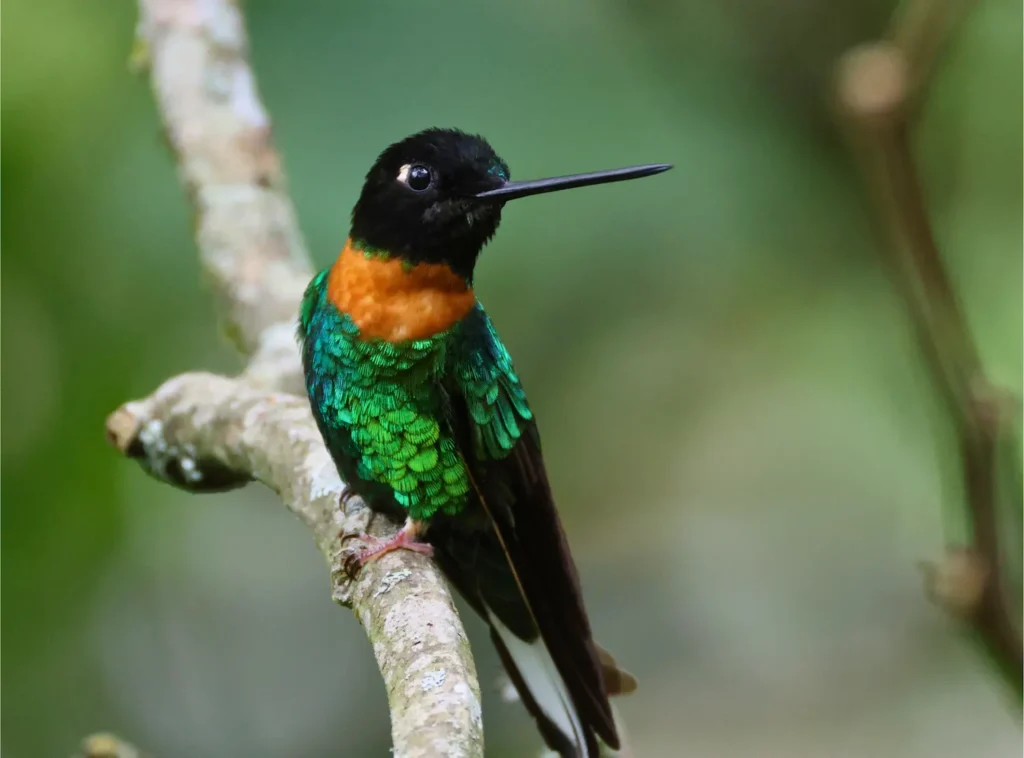
- Top Avian Targets: Bearded Mountaineer, Andean Cock-of-the-rock, Red-and-green Macaw, Rufous-headed Woodpecker
Tour Overview
This 10-day, 9-night birdwatching and wildlife photography expedition traverses one of the most biodiverse corridors on Earth: the Manu Road. Beginning at high-altitude wetlands above Cusco (3,400m / 11,154ft), you will follow an uninterrupted descent through cloud forest down to the pristine lowland rainforest of the Manu Biosphere Reserve (260m / 850ft).
Designed by birders for birders, this itinerary optimizes peak vocalization hours, key feeding windows, and critical life zones. You will stay at premier, strategically positioned eco-lodges—Wayqecha, Cock-of-the-Rock Lodge, Villa Carmen, and Manu Wildlife Center—granting direct access to canopy walkways, private blinds at active display lecks, native bamboo patches, oxbow lakes, and world-famous clay licks.
Tour Highlights
- 11,000-Foot Vertical Habitat Descent: Bird across 5 distinct ecological life zones in a single continuous land journey.
- Guaranteed Cock-of-the-Rock Lek Access: Private platform viewing of the raucous courtship displays of Peru’s national bird (Rupicola peruviana).
- Macaw & Tapir Clay Licks: Dedicated hide time at the famous Macaw Clay Lick and the Amazon’s premier Tapir Clay Lick platform.
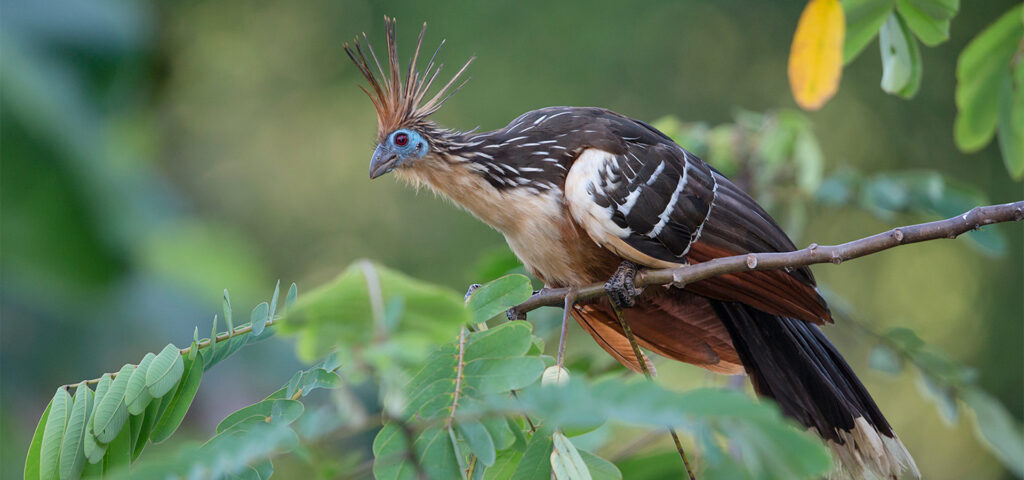
- Bamboo & Water Specialists: Target rare Guadua bamboo obligates (Peruvian Recurvebill, Manu Antbird) and oxbow lake dwellers (Hoatzin, Giant Otter).
- Expert Local Birding Guides: Led by bilingual native Peruvian guides specializing in high-altitude and lowland acoustic and visual identification.
Complete Day-by-Day Itinerary.
Day 1: Cusco to Wayqecha Biological Station | High Puna & Elfin Forest
Elevations: 3,400m down to 2,900m (11,154ft 9,510ft)
Main Habitats: High Andean wetland, Puna scrub, humid Elfin forest
Depart Cusco early for Huacarpay Wetland. Target high-altitude specialists including the endemic Bearded Mountaineer, Rusty-fronted Canastero, Puna Teal, Yellow-billed Pintail, and Many-colored Rush-Tyrant.
Ascend through high puna scrub to cross Acjanaco Pass, the entrance to Manu National Park. Transition into pristine Elfin forest to search for mixed-species flocks containing Gray-breasted Mountain-Tanager, Red-and-white Antpitta (endemic), Puna Thistletail, and Scribble-tailed Canastero.
- Target Endemics: Bearded Mountaineer, Rusty-fronted Canastero, Red-and-white Antpitta, Urubamba Antpitta.
- Nocturnal Targets: Yungas Pygmy-Owl, Swallow-tailed Nightjar, Rufous-banded Owl.
- Overnight: Wayqecha Biological Station.
Day 2: Wayqecha Biological Station | Cloud Forest Canopy Walkway
Elevation: 2,900m (9,510ft)
Main Habitats: Cold humid montane forest, canopy layer
Spend the day exploring the trail system, road cuts, and canopy walkway surrounding Wayqecha. The cool, cloud-shrouded forest is rich in orchids, bromeliads, and high-altitude tanager flocks.
Scan the canopy for large raptors like the Black-and-chestnut Eagle, and search fruiting trees for Grey-breasted Mountain-Toucan and quetzals. Mammal targets include the rare Spectacled Bear and Culpeo (Andean Fox).
- Key Species: Long-tailed Sylph, “Cuzco” Starfrontlet, Golden-headed Quetzal, Masked Trogon, Inca Flycatcher (endemic), Hooded Mountain-Tanager.
- Overnight: Wayqecha Biological Station.
Day 3: Wayqecha to Cock-of-the-Rock Lodge | Mid-Elevation Descent
Elevations: 2,900m down to 1,400m (9,510ft 4,590ft)
Main Habitats: Subtropical cloud forest, ravines, rushing mountain streams
Begin a scenic descent down the Manu Road, stopping frequently for Blue-banded Toucanet, Barred Fruiteater, Handsome Flycatcher, and mixed feeding flocks.
Arrive at Cock-of-the-Rock Lodge in the late afternoon. Head directly to the private blind (lek) to observe male Andean Cocks-of-the-rock performing their loud courtship rituals.
- Key Species: Andean Cock-of-the-rock, Grey-breasted Mountain-Toucan, Versicolored Barbet, Marcapata Spinetail, Amazonian Umbrellabird.
- Overnight: Cock-of-the-Rock Lodge.
Day 4: Cock-of-the-Rock Lodge | Tanager Flocks & Photography
Elevation: 1,400m (4,590ft)
Main Habitats: Subtropical cloud forest, forested waterfalls
A full day dedicated to birding the hyper-diverse cloud forest elevation belt. Follow roadside trails past waterfalls where multi-species tanager flocks feed in the sub-canopy.
Monitor fruiting trees for Quetzals and Umbrellabirds, while scanning rapid-running mountain rivers for Torrent Ducks and White-capped Dippers.
- Tanager Highlights: Paradise, Golden, Orange-eared, Spotted, Bay-headed, Golden-naped, and Black-goggled Tanagers.
- Nocturnal Targets: Lyre-tailed Nightjar, Band-bellied Owl, Rufescent Screech-Owl.
- Overnight: Cock-of-the-Rock Lodge.
Day 5: Cock-of-the-Rock Lodge to Villa Carmen | Sub-Andean Foothills
Elevations: 1,400m down to 500m (4,590ft 1,640ft)
Main Habitats: Sub-Andean foothill transition, feeder stations
Morning birding in the lodge gardens for specialized hummingbirds (Wire-crested Thorntail, Buff-tailed Sicklebill, Booted Racket-tail). Continue descending into the Kosñipata Valley to search for foothill endemics like Black-backed Tody-Flycatcher and Peruvian Piedtail.
Arrive at Villa Carmen Biological Station by afternoon to photograph active hummingbird and fruit feeder stations (Rufous-crested Coquette, Gould’s Jewelfront, Lemon-throated Barbet).
- Key Species: Cerulean-capped Manakin, Lanceolated Monklet, Great Potoo, Black-eared Fairy, Long-billed Starthroat.
- Nocturnal Targets: Spectacled Owl, Black-banded Owl, Tawny-bellied Screech-Owl.
- Overnight: Villa Carmen (Manu Biolodge).
Day 6: Villa Carmen | Bamboo Specialists & Machuwasi Oxbow Lake
Elevation: 500m (1,640ft)
Main Habitats: Native Guadua bamboo stands, oxbow lake margins
Dedicate the morning to the dense Guadua bamboo patches at Villa Carmen. Search for specialized bamboo obligates including Manu Antbird, White-cheeked Tody-Flycatcher, Rufous-headed Woodpecker, and Peruvian Recurvebill.
In the afternoon, visit Machuwasi Oxbow Lake. Board wooden rafts to observe aquatic species including Hoatzin, Blackish Rail, Horned Screamer, and Pale-eyed Blackbird.
- Specialized Targets: Bamboo Foliage-gleaner, Flammulated Tody-Tyrant, Dot-winged Antwren, Amazonian Antpitta, Red Howler Monkey.
- Overnight: Villa Carmen (Manu Biolodge).
Day 7: Villa Carmen to Manu Wildlife Center | Amazon Lowland Transit
Elevations: 500m down to 260m (1,640ft 850ft)
Main Habitats: Lowland rivers, gravel bars, terra firme canopy
Transfer to Atalaya port and board covered motorized dugout canoes down the Alto Madre de Dios River. Scan riverbanks for Pied Plover, Southern Lapwing, Ladder-tailed Nightjar, and Caimans.
Arrive at Manu Wildlife Center in the afternoon. Ascend the 34-meter Canopy Tower built into a giant emergent tree to observe canopy species at eye level.
- Canopy Tower Targets: Spangled Cotinga, Red-throated Caracara, Channel-billed Toucan, Scarlet Macaw, Sclater’s Antwren.
- Overnight: Manu Wildlife Center.
Day 8: Manu Wildlife Center | Macaw Clay Lick & Trail Network
Elevation: 260m (850ft)
Main Habitats: Clay licks (collpas), terra firme trails
Early morning boat ride to the Macaw Clay Lick hide. Observe hundreds of parrots, parakeets, and large macaws gathering on exposed clay banks to consume minerals.
Spend the afternoon exploring birder-friendly trails traversing terra firme, varzea (flooded forest), and secondary growth.
- Clay Lick Species: Red-and-green Macaw, Blue-headed Parrot, Mealy Parrot, Yellow-crowned Parrot.
- Trail Targets: Razor-billed Curassow, Pavonine Quetzal, Great Jacamar, Royal Flycatcher, Round-tailed Manakin.
- Nocturnal Targets: Crested Owl, Mottled Owl, Ferruginous Pygmy-Owl.
- Overnight: Manu Wildlife Center.
Day 9: Manu Wildlife Center | Oxbow Lake & Tapir Clay Lick
Elevation: 260m (850ft)
Main Habitats: Lowland oxbow lake, tapir clay lick
Board a catamaran on a silent oxbow lake to observe resident families of Giant Otters, Agami Herons, Sungrebes, and Ospreys.
In the afternoon, hike to the Tapir Clay Lick. Spend the evening on an elevated hide equipped with padded mattresses and mosquito nets, waiting for wild South American Tapirs to feed below.
- Wildlife Targets: Giant Otter, South American Tapir, Capped Heron, Sunbittern, Black Caiman.
- Overnight: Manu Wildlife Center.
Day 10: Manu Wildlife Center to Puerto Maldonado | Departure
Elevation: 260m (850ft)
Main Habitats: River and road transit
Final dawn birding around the lodge grounds. Transfer by boat along the Madre de Dios River to Colorado or Laberinto, followed by private ground transport to Puerto Maldonado Airport (PEM) for your domestic flight to Cusco or Lima.
What’s Included?
- Expert Leadership: Private, professional Peruvian birding guide (bilingual) for 10 days.
- Accommodations: 9 nights in top eco-lodges (Wayqecha, Cock-of-the-Rock Lodge, Villa Carmen, Manu Wildlife Center) with private bathrooms.
- Meals: Full board from Lunch on Day 1 to Breakfast on Day 10 (09 Breakfasts, 09 Lunches, 09 Dinners). Dietary requests (Vegetarian, Vegan, Gluten-Free) catered.
- Transportation: Private minivans along Manu Road; motorized covered dugout canoes for river stretches; airport transfer in Puerto Maldonado.
- Permits & Fees: All entrance fees to Manu National Park, biological stations, canopy towers, oxbow lakes, and private clay licks.
- Pre-Trip Briefing: Personalized orientation in Cusco 2 days prior to departure.
Exclusions:
- Domestic airfare (Puerto Maldonado to Cusco/Lima).
- Breakfast on Day 1.
- Comprehensive travel insurance (Mandatory).
- Gratuities for guides, boat crews, and lodge staff.
- Personal expenses, alcoholic beverages, laundry services.
Tour Pricing & Private Group Rates
Our tours are 100% Private. This ensures you have the guide’s undivided attention, the best positioning at the lek, and the flexibility to stop for photography whenever you choose.
Group Size and Price Per Person (USD)
- 4 Persons: USD 3150.00 per person
- 5 Persons: USD 2930.00 per person
- 6 Persons: USD 2650.00 per person
Note: For groups larger than 6, please contact us directly for a custom quote and a dedicated co-guide to ensure the highest quality birding experience.
Recommended Packing List
1. Essential Optics & Gear
- Binoculars: 8×42 or 10×42 waterproof binoculars with a comfortable neck strap.
- Field Guide: Birds of Peru (Schulenberg et al.) or the offline Merlin Bird ID app.
- Daypack & Dry Bag: 20–30L waterproof daypack plus a 10–20L roll-top dry bag for river transfers.
- Lighting: Headlamp (300+ lumens with red-light mode) and extra rechargeable batteries.
2. Clothing Strategy
Note: Wear neutral, earthy tones (khaki, green, brown). Avoid bright colors (red, yellow, white) that startle wildlife.
- Andean/Cloud Forest (Days 1–3): Thermal base layers, fleece jacket, windproof/waterproof rain shell, beanie, and gloves.
- Lowland Amazon (Days 4–10): 3–4 lightweight, quick-dry long-sleeve shirts (UPF 50+), 3–4 lightweight trekking pants, wide-brimmed sun hat, and moisture-wicking socks.
3. Footwear & Protection
- Footwear: Broken-in waterproof hiking boots, comfortable lodge shoes, and tall rubber boots (provided by lodges for deep mud trails).
- Protection: DEET or Picaridin insect repellent, SPF 50+ sunscreen, polarized sunglasses, and a reusable 1L water bottle.
Frequently Asked Questions (FAQs)
1. What physical fitness level is required?
This tour requires a moderate fitness level. Daily activities involve walking 2 to 6 miles (3–10 km) on uneven trails, wooden boardwalks, and dirt roads. You should be comfortable standing for extended periods, stepping in and out of dugout canoes, and climbing stairs to canopy towers.
2. When is the best time of year for this tour?
The optimal window is during the dry season, from May through November. Peak activity at the Macaw Clay Lick occurs between August and October, when dry conditions encourage clay ingestion.
3. What optical and camera gear should I bring?
Bring waterproof 8×42 or 10×42 binoculars. A telephoto lens (300mm to 600mm equivalent) with fast apertures (f/2.8 or f/4) is ideal for low-light forest environments. A roll-top dry bag is essential for river transfers.
4. What vaccinations and health precautions are needed?
A Yellow Fever vaccination is strongly recommended for the Manu Biosphere Reserve and Puerto Maldonado. Prophylactic anti-malarials are recommended for lowland Amazon regions. Consult your travel clinic prior to departure.
5. Are meals and accommodations included?
Yes, all meals (breakfast, lunch, dinner) as specified in the itinerary, and comfortable lodge accommodations are included. We prioritize lodges that offer excellent access to birding areas and a high standard of comfort.
Related Tours