Northern Peru Birding: Marvelous Spatuletail & Endemics -12 Days
Northern Peru Birding | Difficulty: Moderate

- Difficulty: Moderate (Daily trail hiking on varied Andean terrain)
- Key Regions: Tumbesian Dry Forest, Marañón Basin, Utcubamba Valley, East Andean Cloud Forest (Abra Patricia), Tarapoto Foothills
- Altitude Range: Sea level up to 2,300 meters (7,545 feet)
Embark on the definitive Northern Peru Birding Tour, a specialized 12-day endemics expedition meticulously designed for serious birders and wildlife photographers. This high-density itinerary transects five distinct bioregions—from the equatorial Tumbesian dry forests to the endemic-rich Marañón Basin and the legendary elfin forests of the eastern Andean slopes—providing unmatched access to South America’s most restricted-range avian targets.
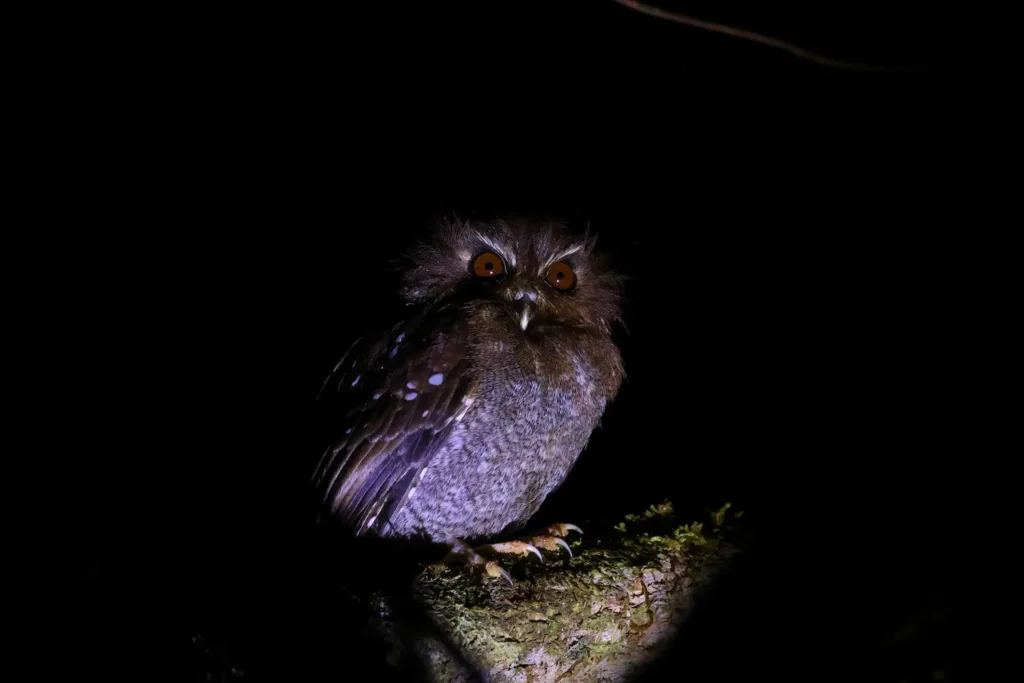
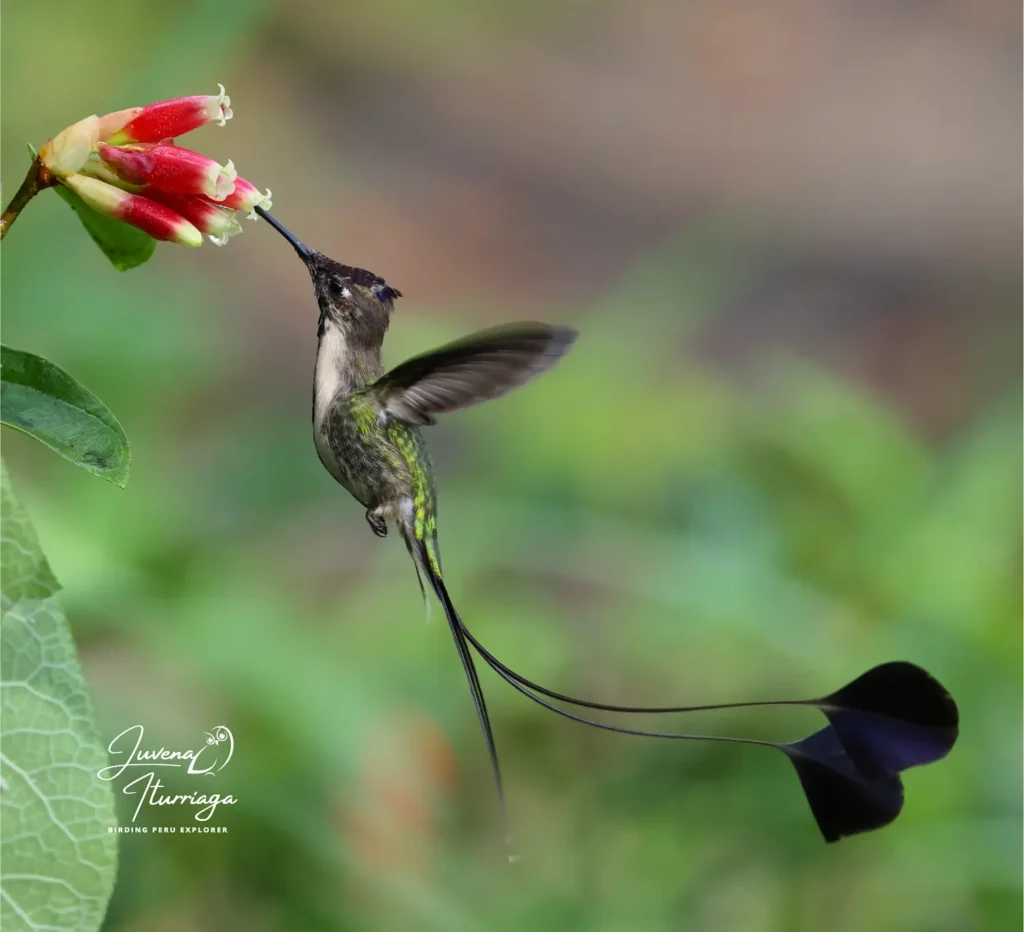
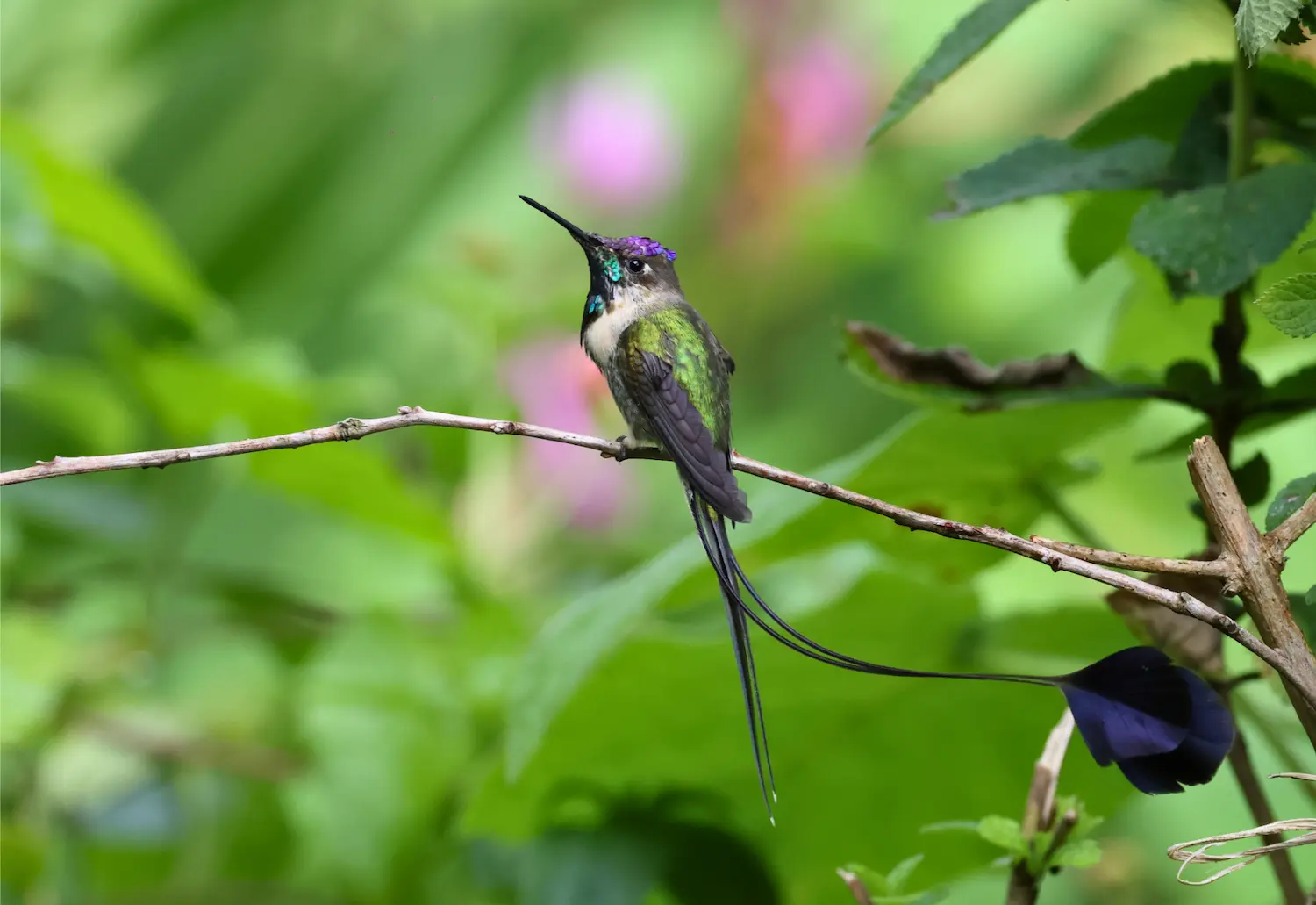
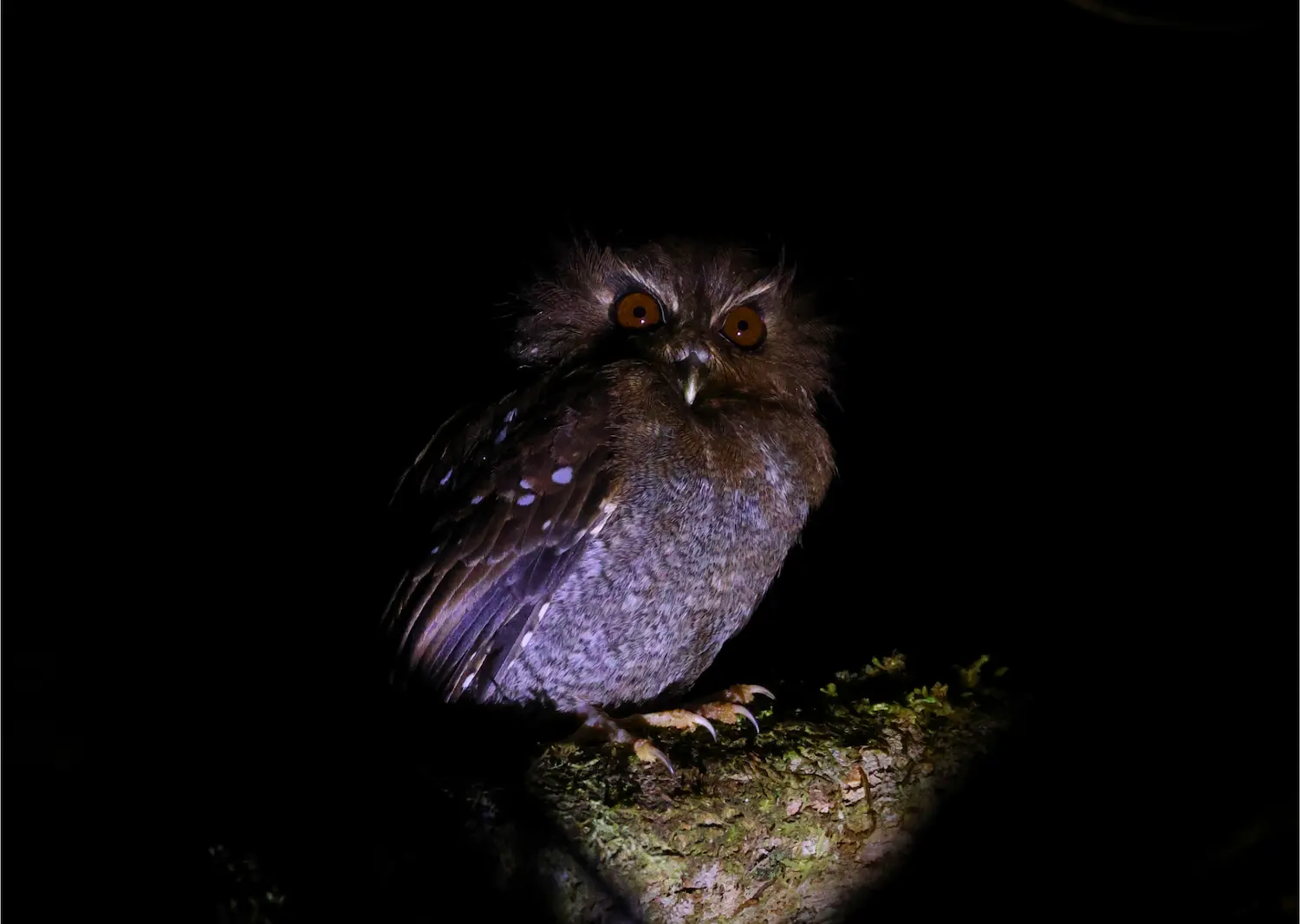
Our primary objective is securing clean, unhurried views of the region’s legendary endemics. We focus heavily on the spectacular Marvelous Spatuletail (Loddigesia mirabilis), the enigmatic, nocturnal Long-whiskered Owlet (Xenoglaux loweryi), and the localized Ochre-fronted Antpitta (Grallaricula ochraceifrons). Guided by elite, 15-year veteran Peruvian field guides, this itinerary bypasses generic travel fluff to maximize your life list through tactical, timing-specific field birding and dedicated multi-flash photography setups.
Tour Highlights:
- Targeted Endemic Focus: Maximize your life list with localized Northern Peru specialties including Koepcke’s Hermit, Lulu’s Tody-Flycatcher, Royal Sunangel, and Little Inca-Finch.
- The Spatuletail Masterclass: Dedicated, unhurried photography sessions at the Huembo Conservation Center, the global stronghold for the Marvelous Spatuletail.
- Abra Patricia Cloud Forest Deep Dive: Two full days based at the remote Owlet Lodge (2,300m), utilizing an exclusive network of primary forest trails and feeding stations targeting interior cloud forest specialties.
- Premium Photographic Infrastructure: Complete access to 5 private conservation feeding stations (Waqanki, Fundo Alto Nieva, Arena Blanca, Huembo, and ACONABIKH) featuring macro-hummingbird setups and ground hides for investigative tinamous and wood-quails.
- 100% Local Expertise & Conservation: Operated by a homegrown, Peru-based team. Your booking directly funds private reserve maintenance, community-led anti-poaching initiatives, and habitat restoration across the northern route.
Itinerary
Day 1: Chiclayo to Chaparrí – Equatorial Dry Forest & Tumbesian Specialties
Our expedition begins at 5:30 AM with pickup in Chiclayo. We transfer directly to the Santuario Histórico Bosque de Pómac, an ancient algarrobo (Prosopis pallida) dry forest ecosystem. We will spend the morning targeting critically endangered Tumbesian specialists. Afterward, we bird the coastal wetlands of the Tinajones Reservoir before ascending into the foothills of the Chaparrí Private Conservation Area.
- Key Habitats: Equatorial Dry Forest, Coastal Wetlands, Riverine Scrub.
- Top Targets: Peruvian Plantcutter (Phytotoma raimondii), Tumbes Tyrannulet (Phaeomyias tumbezana), Cinereous Finch (Piezorina cinerea), Rufous Flycatcher (Myiarchus semirufus), Necklaced Spinetail (Synallaxis stictothorax), Peruvian Thick-knee (Burhinus superciliaris), and White-winged Guan (Penelope albipennis).
- Mammal Possibilities: Spectacled Bear (Tremarctos ornatus), Sechuran Fox (Lycalopex sechurae).
- Overnight: Chaparrí Lodge.
Day 2: Casupe Road & Chaparrí – Tumbesian Foothill Endemics
An early morning exploration along the Casupe Road, a critical altitudinal transition zone holding some of the most secure wild populations of Tumbesian endemics. In the afternoon, we return to the lower Chaparrí dry forest trails, followed by a dedicated night walk targeting nocturnal raptors.
- Key Habitats: Semi-humid Deciduous Foothill Forest, Dry Scrub.
- Top Targets: Piura Chat-Tyrant (Ochthoeca piurae), Henna-hooded Foliage-gleaner (Hylocryptus erythrocephalus), Chapman’s Antshrike (Thamnophilus zarumae), Ecuadorian Piculet (Picumnus sclateri), Ochre-bellied Dove (Leptotila ochraceiventris), Guayaquil Woodpecker (Campephilus gayaquilensis), Scrub Nightjar (Nyctidromus anthonyi), and Peruvian Screech-Owl (Megascops roboratus pacificus).
- Overnight: Chaparrí Lodge.
Day 3: Eten Wetlands & Pacific Coast to Motupe – Shorebirds & Desert Scrub
We depart Chaparrí and head to the Pacific coastline at the Eten Wetlands, a highly productive river mouth estuary. We will scan the mudflats and marine shoreline for migratory waders and Humboldt Current specialists before driving north to the base of the western Andes at Motupe.
- Key Habitats: Coastal Estuary, Marine Shoreline, Salicornia Flats, Desert Scrub.
- Top Targets: Peruvian Pelican (Pelecanus thagus), Guanay Cormorant (Leucocarbo bougainvilliorum),Belcher`s Gull (Larus belcheri) Many-colored Rush Tyrant (Tachuris rubrigastra), Wren-like Rushbird (Phleocryptes melanops), Tumbes Tyrant (Tumbezia salvini), and Superciliated Wren (Cantorchilus superciliaris).
- Overnight: Clean, comfortable business hotel in Motupe.
Day 4: Abra Porculla Mountain Pass to Jaén – Western Andean Transition
Today we cross the western Andean cordillera via Abra Porculla (2,145m), the lowest pass in the Peruvian Andes. This unique geographical depression creates a semi-humid montane scrub habitat where Pacific slope species meet localized interior specialties. In the afternoon, we descend into the arid Marañón river valley.
- Key Habitats: Semi-humid Montane Scrub, Arid Marañón Cactus Forest.
- Top Targets: Piura Chat-Tyrant (Ochthoeca piurae), Rufous-necked Foliage-gleaner (Syndactyla ruficollis), White-headed Brush-finch (Atlapetes albiceps), Black-cowled Saltator (Saltator nigriceps), Gray-chinned Hermit (Phaethornis griseogularis Porculla race), Three-banded Warbler (Basileuterus trifasciatus), and Marañón Antshrike (Thamnophilus shumbae).
- Overnight: Urqu Hotel, Jaén (3-star superior).
Day 5: Jaén (Marañón Basin) to Cocachimba – Core Endemism & The Spatuletail
We spend a critical morning birding the highly isolated Marañón Basin, an evolutionary hotspot boasting immense avian endemism. After securing our dry-valley targets, we cross the Marañón River and follow the Utcubamba drainage upward into the eastern Andes, arriving at the Huembo Conservation Center for our first encounter with Peru’s most famous hummingbird.
- Key Habitats: Arid Marañón Thorn-scrub, Mid-elevation Andean River Valley.
- Top Targets: Marañón Crescentchest (Melanopareia maranonica), Little Inca-Finch (Incaspiza watkinsi), Chinchipe Spinetail (Synallaxis chinchipensis), Marañón Tyrannulet (Anairetes maranonicus), Marvelous Spatuletail (Loddigesia mirabilis), and Little Woodstar (Chaetocercus mulsant).
- Overnight: Gocta Andes Lodge, Cocachimba.
Day 6: Utcubamba Valley to Abra Patricia – Mid-Elevation Cloud Forest
Morning birding within view of Gocta Falls, targeting riverine and valley specialties. We then drive further up the scenic Utcubamba Valley, monitoring the river for specialist waterfowl before ascending into the primary cloud forests of the Abra Patricia Private Reserve (2,300m).
- Key Habitats: Humid Montane Forest, Torrential Mountain Rivers.
- Top Targets: Peruvian Pigeon (Patagioenas oenops), Marañón Thrush (Turdus maranonicus), Torrent Duck (Merganetta armata), Fasciated Tiger-Heron (Tigrisoma fasciatum), Mitred Parakeet (Psittacara mitratus), and Spot-throated Hummingbird (Leucippus taczanowskii).
- Overnight: Owlet Lodge, Abra Patricia.
Days 7-8: Abra Patricia & Fundo Alto Nieva – The Elfin Forest Deep Dive
Two full days of intensive field birding and strategic feeder watches across Abra Patricia and the nearby Fundo Alto Nieva Reserve (2,000m–2,300m). This complex of moss-draped elfin forest and primary cloud forest is globally renowned for its high concentration of restricted-range birds. Night walks will focus entirely on locating rare, nocturnal interior forest species.
- Key Habitats: Primary Upper Montane Cloud Forest, Elfin Forest, Bamboo Chusquea Thickets.
- Top Targets: Long-whiskered Owlet (Xenoglaux loweryi), Ochre-fronted Antpitta (Grallaricula ochraceifrons), Royal Sunangel (Heliangelus regalis), Yellow-scarfed Tanager (Iridosornis reinhardti), Lulu’s Tody-Flycatcher (Poecilotriccus lulu), Rusty-tinged Antpitta (Grallaria rufula), Cinnamon-breasted Tody-Tyrant (Hemitriccus cinnamomeipectus), Bar-winged Wood-wren (Henicorhina leucoptera), and White-capped Tanager (Sericossypha albocristata).
- Overnight: Day 7: Owlet Lodge | Day 8: Arena Blanca Reserve Cabin / Local Eco-lodge.
Days 9-10: Arena Blanca to Waqanki Lodge (Moyobamba) – Sub-Andean Foothills
We start Day 9 at Arena Blanca Reserve, using specialized ground hides to observe highly secretive tinamous and wood-quails at point-blank range. We then descend the eastern slope into the Amazonian foothills of Moyobamba, basing ourselves at Waqanki Lodge. Here, we focus on foothill specialists, lek-dwelling manakins, and an incredibly diverse hummingbird garden.
- Key Habitats: Sub-Andean Foothill Forest, Ground Hides, Lowland Swamp Scrub.
- Top Targets: Rufous-crested Coquette (Lophornis delattrei), Rufous-breasted Wood-Quail (Odontophorus speciosus), Cinereous Tinamou (Crypturellus cinereus), Little Tinamou (Crypturellus soui), Painted Manakin (Machaeropterus eckelberryi), Fiery-throated Fruiteater (Pipreola chlorolepidota), Zimmer’s Antbird (Sciaphylax castanea), and Mishana Tyrannulet (Zimmerius villarejoi).
- Nocturnal Targets: Band-bellied Owl (Pulsatrix melanota), Stygian Owl (Asio stygius).
- Overnight: Waqanki Lodge (2 Nights).
Day 11: Moyobamba to Tarapoto – Foothill Roosts & Dry Forest Transitions
After a final morning session at Waqanki, we travel east towards Tarapoto along the Mayo River valley. En route, we stop at a highly localized, accessible cliffside roost of the bizarre Oilbird. Arriving in the lowlands of Tarapoto, we bird the dry foothill scrub and wetlands.
- Key Habitats: Lowland Foothill Forest, Sandstone Cliff Walls, Humid Scrub.
- Top Targets: Oilbird (Steatornis caripensis), Sulphur-bellied Tyrant-Manakin (Neopelma sulphureiventer), Stripe-chested Antwren (Myrmotherula longicauda), Planalto Hermit (Phaethornis pretrei), Comb Duck (Sarkidiornis melanotos), and Coraya Wren (Pheugopedius coraya).
- Overnight: Cumbaza Hotel, Tarapoto (3-star superior).
Day 12: Cordillera Escalera (ACONABIKH) to Tarapoto / Lima Flight
Our final morning is spent exploring the lush Amazonian foothill forest of the ACONABIKH Reserve within the Cordillera Escalera Protected Area. This reserve features specialized understory hummingbird feeders and an active manakin lek. After lunch, we transfer to the Tarapoto airport for your domestic flight to Lima.
- Key Habitats: Lowland Amazonian Foothill Forest, Understory Heliconia Swamps.
- Top Targets: Koepcke’s Hermit (Phaethornis koepckeae), Golden-headed Manakin (Ceratopipra erythrocephala lek), Buff-tailed Sicklebill (Eutoxeres condamini), Pink-throated Brilliant (Heliodoxa gularis), White-bellied Pygmy-Tyrant (Myiornis albiventris), and Golden-collared Toucanet (Selenidera reinwardtii).
- Primate Specialty: Yellow-tailed Woolly Monkey (Lagothrix flavicauda).
What’s Included?
- Expert Field Guide: 15-year veteran local Peruvian birding/photography specialist.
- Private Transport: Dedicated private vehicle with a professional driver throughout the 12-day route.
- Lodging & Meals: 11 nights in premium eco-lodges/hotels; 3 fresh meals per day.
- All Entry Fees: Standard admission to all listed national parks, community reserves, and private feeding stations.
- Field Logistics: Unlimited drinking water, morning/afternoon coffee, field snacks, and spotting scope utilization.
Not Included
- Domestic airfare (Lima – Chiclayo / Tarapoto – Lima).
- International flights and airport departure taxes.
- Personal expenses, alcoholic beverages, laundry services, and guide/driver tips.
- Travel and medical insurance (highly recommended).
Tour Pricing & Private Group Rates
Our tours are 100% Private. This ensures you have the guide’s undivided attention, the best positioning at the lek, and the flexibility to stop for photography whenever you choose.
Group Size and Price Per Person (USD)
- 4 Persons: USD 3790.00 per person
- 5 Persons: USD 3610.00 per person
- 6 Persons: USD 3390 per person
Note: For groups larger than 6, please contact us directly for a custom quote and a dedicated co-guide to ensure the highest quality birding experience.
Frequently Asked Questions (FAQ)
1. When is the absolute best time to run this Northern Peru birding route?
While Northern Peru delivers excellent birding year-round, the prime window is the dry-to-shoulder season from June through November. During these months, trail conditions are stable, and key hummers like the Marvelous Spatuletail display more frequently at feeding stations.
2. What is the physical difficulty rating of this 12-day itinerary?
This tour is rated Moderate. While there is no technical mountaineering, you will be walking daily on unpaved, uneven, and occasionally steep clay forest trails. Altitudes vary from sea level up to 2,300 meters (7,545 feet) at Abra Patricia, so a reasonable level of physical fitness and sure-footedness is required.
3. Is this itinerary optimized for professional bird photography?
Yes. We have specifically designed this route to spend dedicated, unhurried time at 5 private feeding reserves (including Huembo, Arena Blanca, and Waqanki) equipped with hummingbird macro-setups and ground hides. Your private guide will optimize field positioning based on daily lighting and target species activity.
4. How does booking with Birding Peru Trips support conservation?
We are a 100% locally-owned, Peruvian operator. Unlike international agencies, a direct percentage of your booking revenue stays in the communities we visit, directly financing trail upkeep, anti-poaching patrol stipends, and land leases for the private reserves that protect these highly endangered endemics.
Technical Field Packing List
To maximize safety and comfort across the varied ecosystems of this route, we highly recommend packing the following specialized equipment:
- Optics & Camera Gear: Binoculars (8×42 or 10×42 recommended), a camera body with a minimum 400mm telephoto lens for wildlife, a macro lens for hummingbird feeding stations, an external flash with a diffuser (highly recommended for deep understory and owling sessions), and ample extra memory cards/batteries.
- Field Clothing: Lightweight, quick-dry clothing in earth tones or dark green (avoid white or bright colors). Pack a premium, breathable waterproof jacket and rain pants—Abra Patricia experiences sudden, heavy cloud forest downpours.
- Footwear: Broken-in, waterproof hiking boots with aggressive tread patterns for muddy trails, plus a pair of light shoes or sandals for lounging at the eco-lodges.
- Health & Protection: High-strength insect repellent (essential for Tumbesian dry forests and Amazonian foothills), reef-safe sunblock, a wide-brimmed sun hat, and personal medications for high-altitude adjustment or motion sickness on winding Andean roads.
Related Tours