⚡ EXECUTED SUMMARY & QUICK VERDICT
- CHOOSE MANU NATIONAL PARK if you are a dedicated life-lister seeking maximum species diversity (1,000+ species), distinct elevational gradients (4,000m puna down to lowlands),and deep, untouched wilderness.
- CHOOSE TAMBOPATA NATIONAL RESERVE if you have limited time (3–5 days), prefer comfortable eco-lodges with fly-in access, or want to photograph massive Macaw Clay Licks (Colpa Colorado).
When planning an Amazonian birding expedition to Peru, travelers face a fundamental choice: Should you embark on an overland journey down the world-famous Manu Road into Manu National Park, or take a direct fly-in route to the lowland rainforests of Tambopata National Reserve?
Both reserves lie within southeastern Peru’s mega-diverse Madre de Dios region and shelter some of the highest concentrations of Neotropical bird species on Earth. However, they cater to very different birding styles, logistical realities, budgets, and target life lists.
In this comprehensive guide, we analyze bird species counts, elevational gradients, access logistics, total costs, and key target species to help you select the ultimate Amazon birding destination for your travel goals.
At-a-Glance Comparison: Manu vs. Tambopata
| Feature | Manu National Park | Tambopata National Reserve |
| Recorded Bird Species | 1,000+ (World’s highest single-park list) | 600+ (Dense lowland concentration) |
| Ecosystem Diversity | 4 Zones: Puna, Cloud Forest, Foothills, Lowlands | 1 Zone: Lowland Terra Firme & Várzea |
| Elevational Range | 250 meters to 4,000+ meters | 200 meters to 400 meters |
| Travel Logistics | 2–3 days overland & riverboat from Cusco | 40-min flight from Cusco + 1–3 hr boat trip |
| Recommended Trip Duration | 7 to 12 Days (Needed to cover all zones) | 3 to 5 Days (Ideal for focused stays) |
| Estimated Cost Range | $1,800 – $4,500+ per person | $700 – $1,600 per person |
| Flagship Birding Highlight | Kosñipata Cloud Forest & Cock-of-the-Rock Lek | Colpa Colorado & Colpa Chuncho Macaw Licks |
| Accommodation Style | Specialized, rustic-to-mid-range field lodges | Comfortable to high-end eco-lodges |
| Physical Intensity | Moderate–High (Extended overland transit, mountain roads) | Low–Moderate (Flat terrain, canopy towers, riverboats) |
Manu National Park: The Wildest Birding Frontier
Manu National Park is a UNESCO World Heritage Site covering over 1.7 million hectares of undisturbed wilderness. What makes Manu world-renowned among ornithologists is its unbroken elevational gradient—stretching from high Andean grasslands (Puna) down into the deep Amazonian basin.
Manu’s Unbroken Elevation Gradient (4,000m → 250m)
- 4,000m+: High Andean Puna & Polylepis Woodlands
- 3,000m: Upper Montane Cloud Forest (Hummingbirds, Tanagers)
- 1,400m: Lower Cloud Forest / Yunga (Cock-of-the-Rock Leks)
- 500m: Foothill Bamboo & Secondary Forest
- 250m: Lowland Amazonian Oxbow Lakes & Terra Firme
Descending through the Kosñipata Valley (the Manu Road) allows birders to experience dramatic habitat changes over short distances. In a single expedition, you can transition from high-altitude hummingbirds and mountain-tanagers to cloud forest endemic species, before boarding a motorized canoe into the lowland terra firme forest.
Key Birding Zones & Top Target Species in Manu
- High Puna & Upper Montane Forest (2,500m – 3,800m):
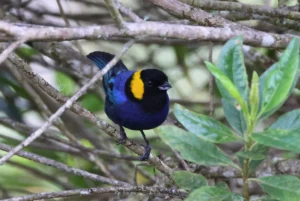
- Target Species: Andean Condor, Grey-breasted Mountain-Toucan, Hooded Mountain-Tanager, Golden-headed Quetzal, Scaled Metaltail, Swallow-tailed Nightjar.
- Middle Cloud Forest & Yunga Zone (1,200m – 2,500m):
- Target Species: Andean Cock-of-the-Rock (Rupicola peruvianus – active lek site viewing), Crested Quetzal, Amazonian Umbrellabird, Black-faced Cotinga, Versicolored Barbet, Solitary Eagle.
- Foothill Bamboo & Lowland Rainforest (250m – 1,200m):
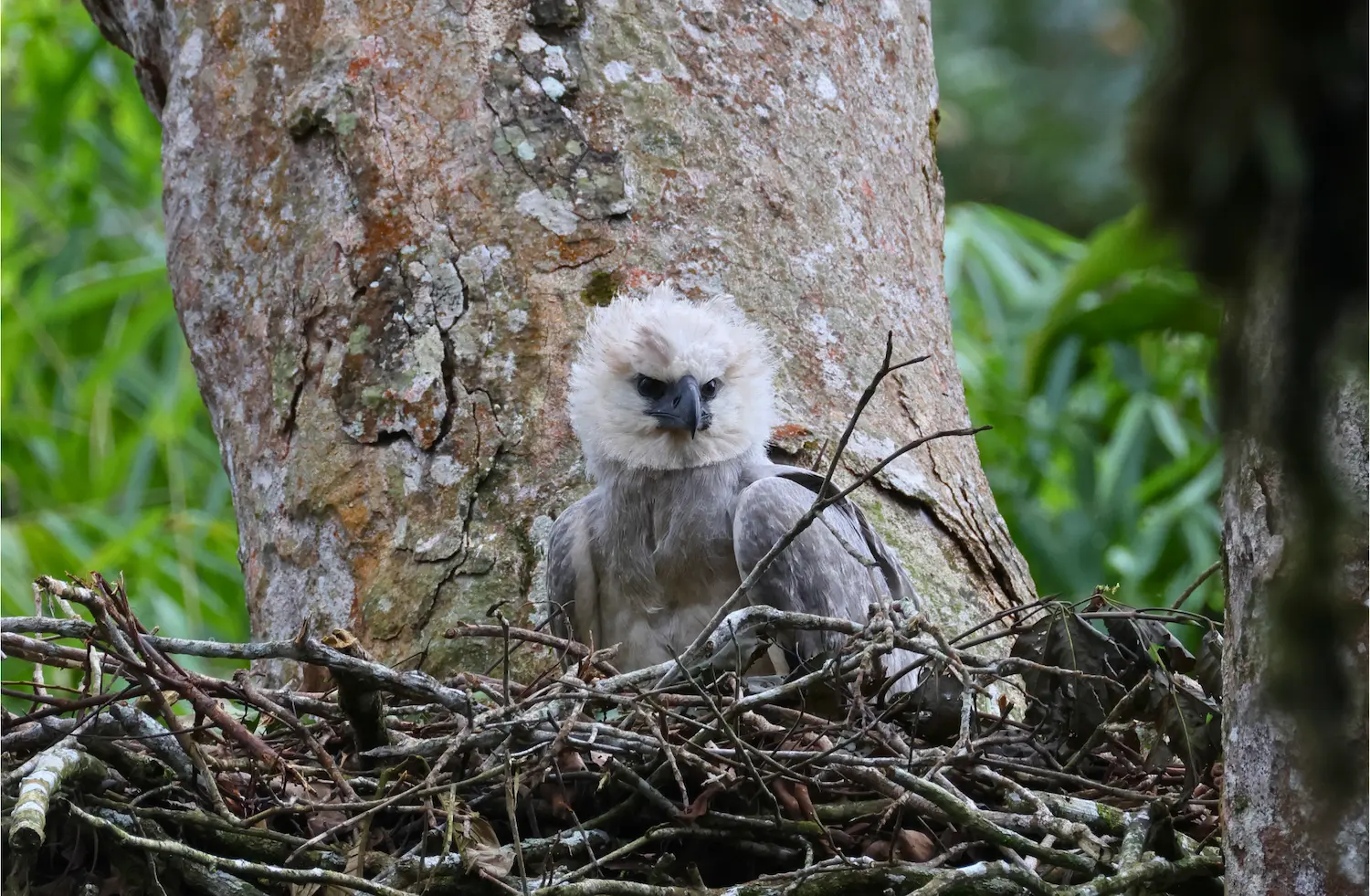
- Target Species: Manu Antbird (Cercomacra manu – bamboo obligate), Harpy Eagle, Rufous-vented Ground-Cuckoo, Pale-winged Trumpeter, Horned Screamer, Agami Heron, Hoatzin.
Manu Logistics & Travel Realities
Reaching the core zones of Manu requires commitment. There are no commercial airstrips serving the park’s interior. Travelers drive overland from Cusco through the Andes before descending the Manu Road to the Alto Madre de Dios River, where motorized canoes take over.
Because transit requires extended travel, a meaningful Manu expedition requires at least 7 to 10 days. A standard multi-day birding itinerary ranges from $1,800 to $4,500+ per person, reflecting complex remote logistics, private 4×4 transport, specialized guides, and private river charters.
Tambopata National Reserve: The Lowland Amazon Made Accessible
Tambopata National Reserve protects 274,690 hectares of pristine lowland rainforest near the border of Bolivia. Situated between 200 and 400 meters above sea level, Tambopata is exclusively a lowland forest ecosystem.
While Tambopata lacks the elevational diversity of Manu, it makes up for it with high wildlife density, exceptional lodge infrastructure, and proximity to the world’s largest clay licks (Colpas).
Tambopata’s Primary Birding Habitats (Lowland Focus)
• Clay Licks (Colpa Colorado & Colpa Chuncho): Macaw Licks
• Oxbow Lakes (Lake Sandoval, Lake Tres Chimbadas)
• Canopy Towers: 30m-45m Above the Forest Floor
• Terra Firme & Floodplain (Várzea) Trail Networks
Every morning, hundreds of large macaws, parrots, and parakeets descend upon the exposed riverbank clay at Colpa Colorado and Colpa Chuncho, creating one of the most spectacular avian displays in the Neotropics.
Key Birding Zones & Top Target Species in Tambopata
- Clay Licks (Colpas):
- Target Species: Scarlet Macaw, Red-and-green Macaw, Blue-and-yellow Macaw, Severn Color Macaw, Mealy Amazon, Blue-headed Parrot.
- Oxbow Lakes (Cochas – e.g., Lake Sandoval):
- Target Species: Agami Heron, Sungrebe, Capped Heron, Horned Screamer, Point-tailed Palmcreeper, Hoatzin, Rufous-sided Crake.
- Canopy Towers & Terra Firme Trails:
- Target Species: Band-tailed Manakin, Round-tailed Manakin, White-throated Toucan, Paradise Tanager, Opal-rumped Tanager, Spix’s Guan, Blue-crowned Trogon.
Tambopata Logistics & Travel Realities
Reaching Tambopata is straightforward. A 30-minute commercial flight from Cusco (or 1.5 hours from Lima) lands you in Puerto Maldonado. From the airport, motorized canoes transport guests along the Madre de Dios or Tambopata Rivers directly to eco-lodges in 1 to 3 hours.
Because access is efficient, high-yield trips can be completed in 3 to 5 days. Costs generally range between $600 and $1,400 per person, making Tambopata an accessible option for travelers with tighter schedules or lower travel budgets.
How to Choose: A 3-Step Decision Framework
STEP 1: EVALUATE YOUR AVAILABLE TIME
- Under 6 Days? ──► Choose TAMBOPATA (Quick fly-in access)
- 7 to 14+ Days? ──► Choose MANU (Sufficient time for full elevation descent)
STEP 2: DEFINE YOUR TARGET SPECIES GOALS
- Cloud Forest & Endemics? ──► Choose MANU (Tanagers, Quetzals, Cock-of-the-Rock)
- Lowland Macaws & Towers? ──► Choose TAMBOPATA (Colpa Colorado, Lake Sandoval)
STEP 3: ASSESS LOGISTICAL & TRAVEL PREFERENCES
- Comfortable Lodges & Flat Trails? ──► Choose TAMBOPATA
- Rugged Expeditions & Remote Wilderness? ──► Choose MANU
Expert Recommendation: The Southern Peru Hybrid Itinerary
If you have 10 to 14 days, you do not need to choose between these two reserves. At Birding Peru Trips, our signature routing combines the cloud forest diversity of the Manu Road with the lowland efficiency of Tambopata:
- Days 1–5 (Manu Cloud Forest): Travel overland from Cusco down the Manu Road, birding the high puna, Cock-of-the-Rock display leks at 1,400m, and foothill bamboo stands.
- Days 6–7 (River Transit): Travel downriver via the Alto Madre de Dios River toward Puerto Maldonado.
- Days 8–12 (Tambopata Lowlands): Stay at a deep-reserve lodge along the Tambopata River to target canopy towers, Lake Sandoval, and the Colpa Colorado Macaw Clay Licks.
Frequently Asked Questions
Which reserve is better for seeing Jaguars?
Manu National Park offers higher overall Jaguar sighting probabilities along its remote riverways due to its massive, unhunted interior. However, deep-reserve lodges along the upper Tambopata River near Colpa Colorado also record regular Jaguar sightings during the dry season (May through October).
What is the best time of year to bird Manu and Tambopata?
The optimal time for birding both reserves is during the dry season from May through October. During these months, forest trails are drier, lower river levels reveal exposed gravel bars for shorebirds, and clay lick activity reaches its annual peak.
Is Tambopata cheaper than visiting Manu?
Yes. Tambopata is accessed via commercial flights into Puerto Maldonado followed by short boat trips, which keeps transit costs low. Manu expeditions require private 4×4 vehicles, extended road transit, and specialized remote river charters, which increases total tour pricing.
Plan Your Amazon Birding Expedition
Ready to explore Peru’s top Amazonian birding destinations with expert local guides? Birding Peru Trips specializes in custom, small-group ornithological tours tailored to your target species list.
- View our https://www.birdingperutrips.com/birding-from-the-andes-to-the-amazon-10d-9n/
- Explore our https://www.birdingperutrips.com/birding-tambopata-peru-5-day-amazon-rainforest-tour/
- Request a Custom Itinerary https://www.birdingperutrips.com/
Contact our team today to build your customized Amazon birding route.