When travelers plan a trip to Peru, the iconic citadel of Machu Picchu is almost always the centerpiece. However, for birdwatchers and nature enthusiasts, the journey shouldn’t end at the Sun Gate.
The Cusco region is a global biodiversity hotspot, boasting over 1,100 recorded bird species, including 12 highly sought-after endemics found nowhere else on Earth. By strategically planning your logistics, you can easily combine a world-class cultural tour with premier birding across the cloud forests of the Sacred Valley, the high-altitude Polylepis woodlands of Abra Malaga, and the lush valleys surrounding Machu Picchu.
🦉 Quick Takeaways: Machu Picchu Birding At A Glance
- Total Species in Cusco Region: 1,100+ (with 12 key endemics).
- Top Hotspots Covered: Abra Malaga, Sacred Valley (Ensifera Camp), Mandor Valley, and Huacarpay Lagoon.
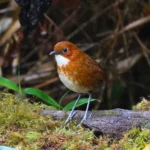
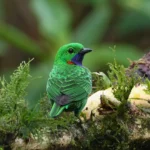
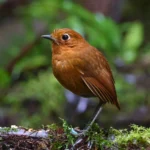
- Star Endemic Species: Royal Cinclodes, Inca Wren, Bearded Mountaineer, and Masked Fruiteater.
- Crucial Logistics: Spend at least two days acclimatizing in the lower-elevation Sacred Valley before climbing to Abra Malaga (4,330m).
Why Combine the Inca Citadel with Birding?
A common misconception is that birding in Peru requires a grueling, multi-week expedition deep into the Amazon basin. While the rainforest is spectacular, the high Andean slopes and cloud forests surrounding Cusco offer equally rewarding birding—often with a much higher concentration of unique, localized endemics.
The best birding hotspots near Machu Picchu are situated directly along the standard transit routes (trains and roads) that lead to the ruins. By adding just a few targeted days to your itinerary, you can transform a standard sightseeing holiday into a deeply rewarding avian expedition.
Key Locations, Elevations & Access
To help you coordinate your logistics, here is a quick-reference guide to the primary birding hubs in the Cusco and Sacred Valley regions:
| Location | Elevation | Primary Birding Focus | Transit & Access |
| Cusco City | 3,400m (11,200 ft) | Wetland species, high-Andean waterfowl | 40-minute drive to Huacarpay Lagoon |
| Sacred Valley | 2,800m (9,180 ft) | Hummingbirds, torrent-loving species | 55-minute drive from Cusco |
| Abra Malaga | 4,330m (14,206 ft) | Polylepis specialists, high-altitude endemics | 2-hour drive from Ollantaytambo |
| Machu Picchu / Mandor | 2,430m (7,874 ft) | Cloud forest species, tanagers, fruiteaters | Train from Ollantaytambo to Aguas Calientes |
Crucial Logistics: Altitude & Acclimatization
Successfully navigating the Cusco region requires careful planning to prevent altitude sickness (soroche).
- The Sacred Valley Strategy: Because Cusco sits at 3,400 meters, we recommend descending immediately to the Sacred Valley (2,800 meters) upon arrival. This allows your body to adjust comfortably.
- The Train Advantage: The PeruRail routes (such as the Vistadome or Expedition) from Ollantaytambo to Aguas Calientes (Machu Picchu Pueblo) are the logistics backbone of this itinerary. Basing yourself in Ollantaytambo puts you perfectly between the high-altitude pass of Abra Malaga and the train to the cloud forests of Machu Picchu.
Option A: The 3-Day “Add-On” Itinerary
This highly efficient itinerary is perfect for travelers who want to maximize their birding yields before or after visiting the Inca citadel.
Day 1: Arrival, Acclimatization & Hummingbirds
- Morning: Arrive at Cusco’s Velasco Astete Airport. To optimize acclimatization, immediately transfer down to the Sacred Valley (staying in Urubamba or Ollantaytambo).
- Afternoon Birding: Spend your afternoon at Ensifera Camp near Urubamba. This beautiful, private eco-reserve is a premier hummingbird sanctuary.
- Target Species: Sword-billed Hummingbird (with its impossibly long bill), Shining Sunbeam, and Giant Hummingbird.
- Alternative Route: If your flight schedule requires staying in Cusco on Day 1, visit Huacarpay Lagoon. This high-altitude wetland hosts the endemic Rusty-fronted Canastero, Bearded Mountaineer, and various Andean waterfowl like the Puna Teal.
Day 2: The Abra Malaga High-Altitude Pass
- Morning (05:00 AM departure): Drive from Ollantaytambo up to the legendary Abra Malaga mountain pass (4,330m). The dramatic shift from agricultural valley to rugged, windswept peaks is breathtaking.
- Morning Birding: Focus on the unique, threatened Polylepis (paperbark) woodlands.
- Target Species: Royal Cinclodes (critically endangered), White-browed Tit-Spinetail, Tawny Tit-Spinetail, and Marcapata Spinetail.
- Afternoon: Descend the wet, eastern slope into the temperate cloud forest to search for mixed feeding flocks of tanagers, mountain-toucans, and chat-tyrants. Return to Ollantaytambo for a relaxing evening. Keep an eye out for the endemic Bearded Mountaineer feeding on wild tobacco flowers in your hotel gardens.
Day 3: Machu Picchu Citadel & The Mandor Valley
- Morning: Board the early morning PeruRail train to Aguas Calientes (Machu Picchu Pueblo). Keep your binoculars handy on the train; the rushing Urubamba River is prime habitat for the Torrent Duck and White-capped Dipper.
- Citadel Tour: Spend the morning exploring the world-famous Machu Picchu ruins. While soaking in the history, scan the stone structures for the endemic Inca Wren and the brilliant Andean Cock-of-the-rock (Peru’s national bird) perched in the surrounding canopy.
- Afternoon Birding: Take a peaceful, flat walk along the train tracks to the Mandor Valley. This lush, humid forest is one of the region’s best-kept secrets.
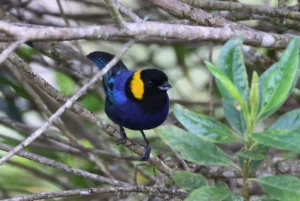
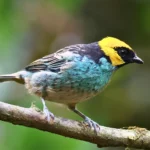
- Target Species: Masked Fruiteater (endemic), Slaty Tanager, Ocellated Piculet, and the dazzling Blue-necked Tanager.
- Logistics: Take an evening train back to Ollantaytambo, followed by a private transfer back to Cusco.
Option B: The 7-Day Deep Dive Itinerary
For dedicated birdwatchers wanting to check off rare regional endemics, a week-long expedition allows you to expand your reach into the Apurímac Valley and the transitions of the Manu Road.
- Days 1–3: Complete the core itinerary (Cusco Wetlands, Sacred Valley, Abra Malaga, and the temperate cloud forests of the Malaga Valley).
- Day 4: Travel to Aguas Calientes, explore the Machu Picchu sanctuary, and bird the Mandor Valley.
- Day 5: The Flight of the Condor: Travel to Limatambo and hike to the spectacular Chonta Canyon Lookout to observe wild Andean Condors soaring on afternoon thermals.
- Days 6–7: Apurímac Endemics: Explore the dry, montane scrub of the Mollepata Valley.
- Target Species: Highly localized endemics like the Apurimac Spinetail, Apurimac Brushfinch, and Vilcabamba Tapaculo. Conclude with evening owling for the Koepcke’s Screech-Owl and Buff-fronted Owl.
Target Species Checklist
Keep this quick reference checklist handy for your trip. These are the key target species of the Cusco and Machu Picchu route:
| Species Name | Scientific Name | Habitat Zone | Best Time / Itinerary Day |
| Sword-billed Hummingbird | Ensifera ensifera | Sacred Valley Gardens | Day 1 (Ensifera Camp) |
| Rusty-fronted Canastero (Endemic) | Asthenes ottonis | Arid Andean scrub | Day 1 (Huacarpay Lagoon) |
| Bearded Mountaineer (Endemic) | Oreonympha nobilis | Nicotiana blossoms / Valley scrub | Day 1 & 2 (Ollantaytambo) |
| Royal Cinclodes (Critically Endangered) | Cinclodes aricomae | Polylepis woodlands | Day 2 (Abra Malaga) |
| Inca Wren (Endemic) | Pheugopedius eisenmanni | Bamboo & ruins undergrowth | Day 2 & 3 (Machu Picchu) |
| Masked Fruiteater (Endemic) | Pipreola pulchra | Subtropical cloud forest | Day 3 (Mandor Valley) |
| Andean Cock-of-the-rock | Rupicola peruvianus | Cloud forest canopy & leks | Day 3 (Aguas Calientes / Mandor) |
| Andean Condor | Vultur gryphus | Deep rocky canyons | Day 5 (Chonta Canyon) |
| Apurimac Spinetail (Endemic) | Synallaxis courseni | Apurímac montane scrub | Day 6 (Mollepata) |
Essential Packing & Gear Guide
Preparing for a birding trip to Cusco requires gear that can handle intense microclimatic shifts—from sub-freezing mountain passes to humid, subtropical valleys.
Optics & Photography
- Binoculars: A pair of 8×42 or 10×42 binoculars with high light transmission is essential for spotting fast-moving tanagers in the dark understory of the cloud forest.
- Camera Gear: A mirrorless or DSLR camera paired with a 300mm to 600mm lens is ideal.
- ⚠️ Important Machu Picchu Rule: Tripods and large professional stands are strictly prohibited inside the Machu Picchu archaeological site to preserve flow and prevent damage. If you plan to photograph birds within the ruins, pack a monopod (which is usually permitted) or practice hand-holding your setup.
Clothing & Layering
- The Layering System: The temperature at Abra Malaga (4,330m) can hover near freezing in the early morning, while Aguas Calientes (2,040m) is warm and humid by midday. Pack high-quality moisture-wicking base layers, a warm mid-layer fleece, and a reliable waterproof, windproof outer shell.
- Footwear: Sturdy, broken-in, waterproof hiking boots are non-negotiable. Trails at Abra Malaga and the Mandor Valley can be slick, muddy, and uneven.
Frequently Asked Questions (FAQ)
Q: When is the best time of year to combine birding and Machu Picchu?
A: The dry season (May to October) is the premium window. During these months, the weather is stable, mountain roads like Abra Malaga are safe and dry, and clear skies offer beautiful views of the ruins. However, the shoulder/wet season (November to April) can yield highly active mixed-species feeding flocks, though you must prepare for rain and potential transit delays.
Q: Do I really need two full days to acclimate before birding at Abra Malaga?
A: Yes, absolutely. Abra Malaga sits at over 4,300 meters (14,100 feet). Attempting to hike or bird at this altitude without a minimum of 48 hours of acclimatization at a lower elevation (like the Sacred Valley at 2,800m) significantly increases the risk of acute mountain sickness (AMS).
Q: Can I bird inside the Machu Picchu ruins without a guide?
A: To enter the main archaeological site of Machu Picchu, you are required by law to be accompanied by a licensed guide. If you book a specialized tour with Birding Peru Trips, your guide will be a dual specialist—expert in both Inca history and local ornithology.
Elevate Your Andean Adventure with Birding Peru Trips
At Birding Peru Trips, we believe that exploring the Cusco region should be a rich, multi-sensory journey. Our expert local guides don’t just show you the historical wonders of the Incas; they open your eyes to the stunning, delicate biodiversity that has thrived alongside these ancient ruins for centuries.
Whether you want to track down the elusive Royal Cinclodes at high altitude or photograph hummingbirds in a quiet valley garden, we design seamless, safe, and deeply rewarding itineraries tailored to your pace.
Contact https://www.birdingperutrips.com/ today to start customizing your dream 2026 Cusco and Machu Picchu birding itinerary!